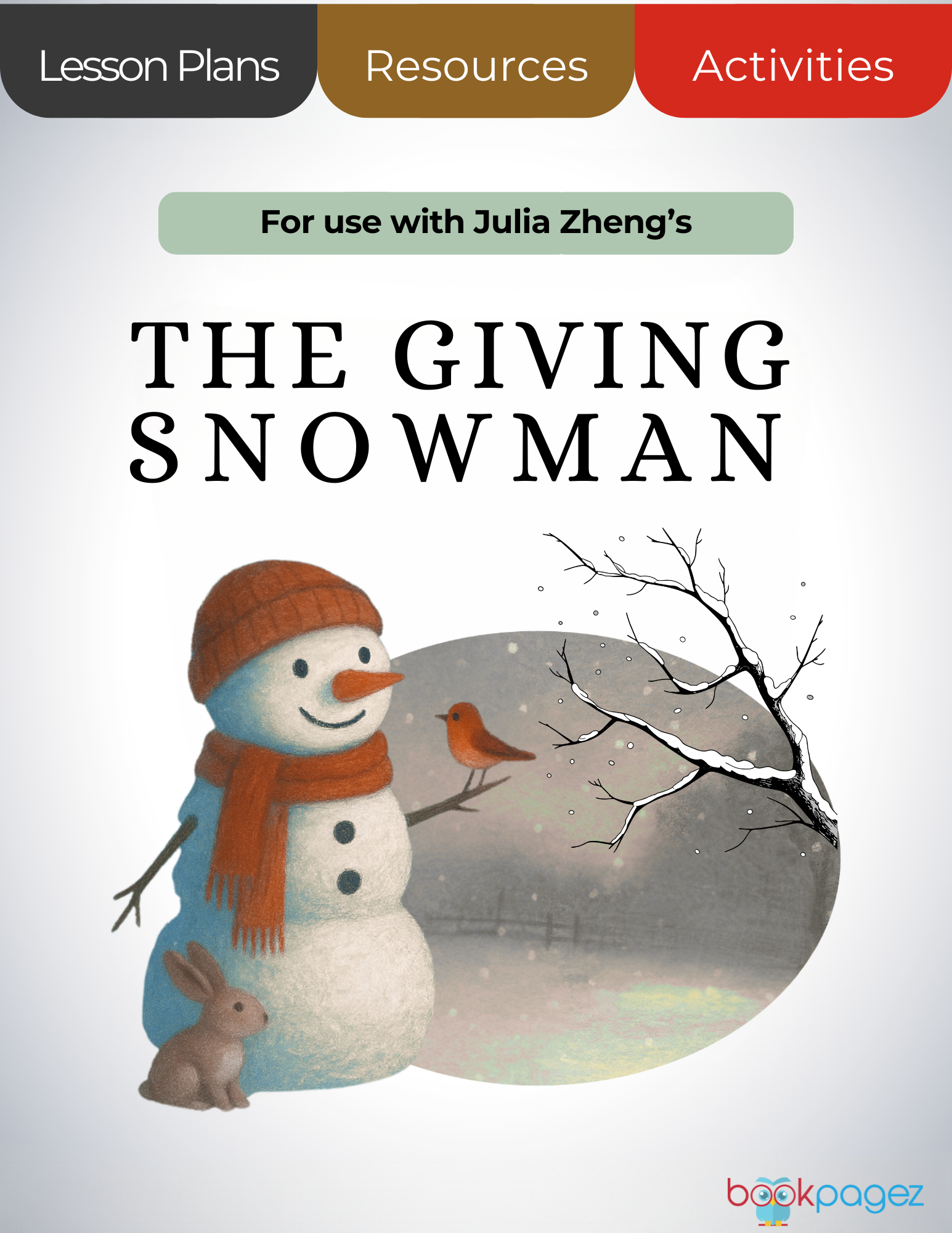
Use The Giving Snowman by Julia Zheng to strengthen your students' comprehension skills, build their vocabulary, and help them understand how words work.
Kindness, friendship, and gratitude take center stage in this engaging winter story where one character's generosity inspires others to give back. Students will explore three key comprehension strategies—identifying the author's purpose, making connections, and understanding text structure—as they uncover how giving and helping others shape the story's message.
The word work lesson focuses on common and proper nouns, guiding students to notice how authors sometimes name characters after what they are, like Rabbit and Bird. A creative enrichment activity invites students to imagine a new "giving" friend for the Snowman and write about how that character would help others, extending the story's message of kindness and generosity in a fun, imaginative way.
Author Julia Zheng uses The Giving Snowman to show that even small acts of kindness can have a big impact. Through simple text and expressive illustrations, students can identify that the author's purpose is to teach readers about the joy of giving and the importance of helping others. As students read, they can look closely at the choices Snowman and his friends make, and discuss how the author wants us to feel about generosity and friendship.
The Giving Snowman offers many opportunities for students to make text-to-self, text-to-text, and text-to-world connections. Students might connect Snowman's kindness to a time when they helped someone, to another story about generosity, or to real-world examples of people helping others. By making these connections, readers deepen their understanding of the story's message — that sharing and caring make the world warmer, even in winter.
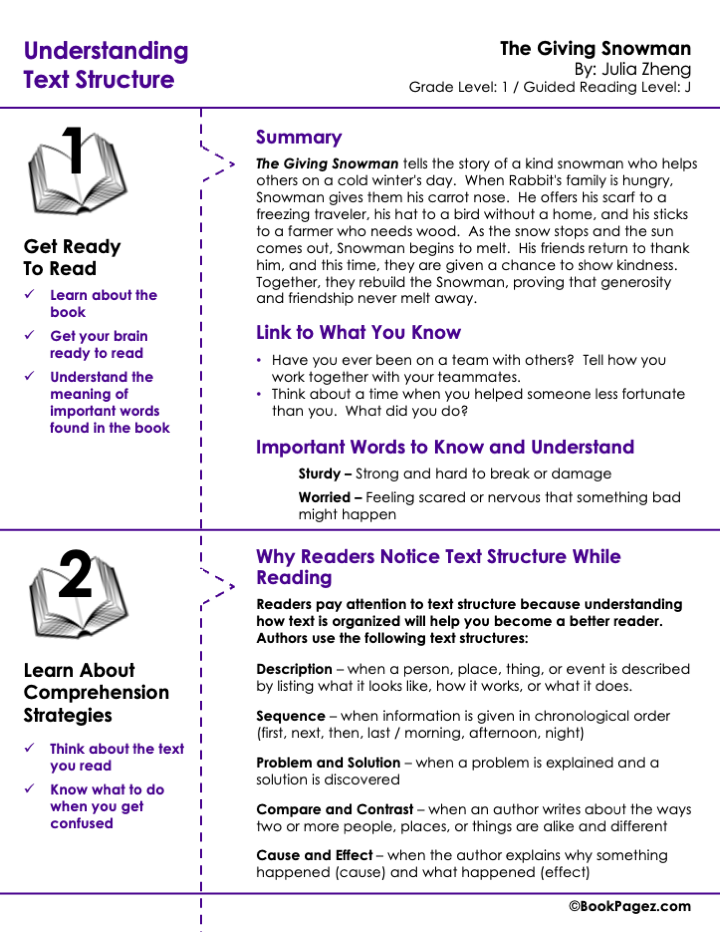
Julia Zheng uses a clear and repeating text structure to tell the story. On each page, Snowman meets a new character, learns about a problem, and gives something to help. This pattern makes it easy for students to identify how the story builds and changes. By recognizing the text structure, students can better follow the sequence of events and see how each act of giving leads to the story's warm, hopeful ending.
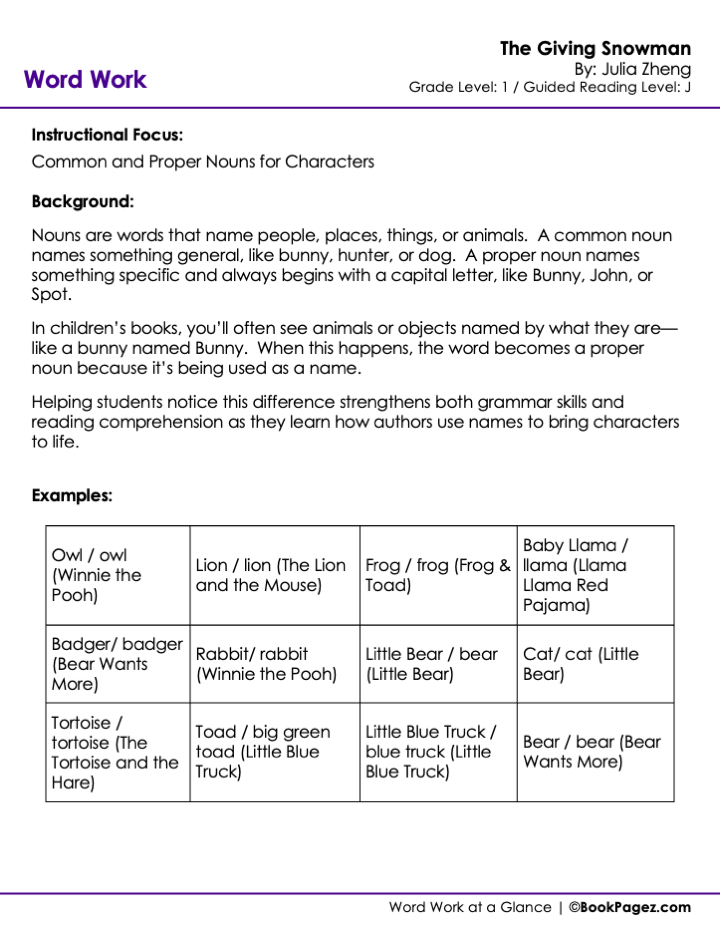
In The Giving Snowman, students explore how authors use names to make characters memorable and meaningful. This lesson helps students distinguish between common nouns, which name general people, places, or things, and proper nouns, which name specific ones.
Through guided discussion and hands-on activities, students identify examples of both types of nouns in the story and analyze how capitalization and naming choices bring the Snowman and his friends to life.
By connecting grammar to character study, this lesson strengthens language skills and deepens comprehension—helping students see how word choice shapes storytelling.
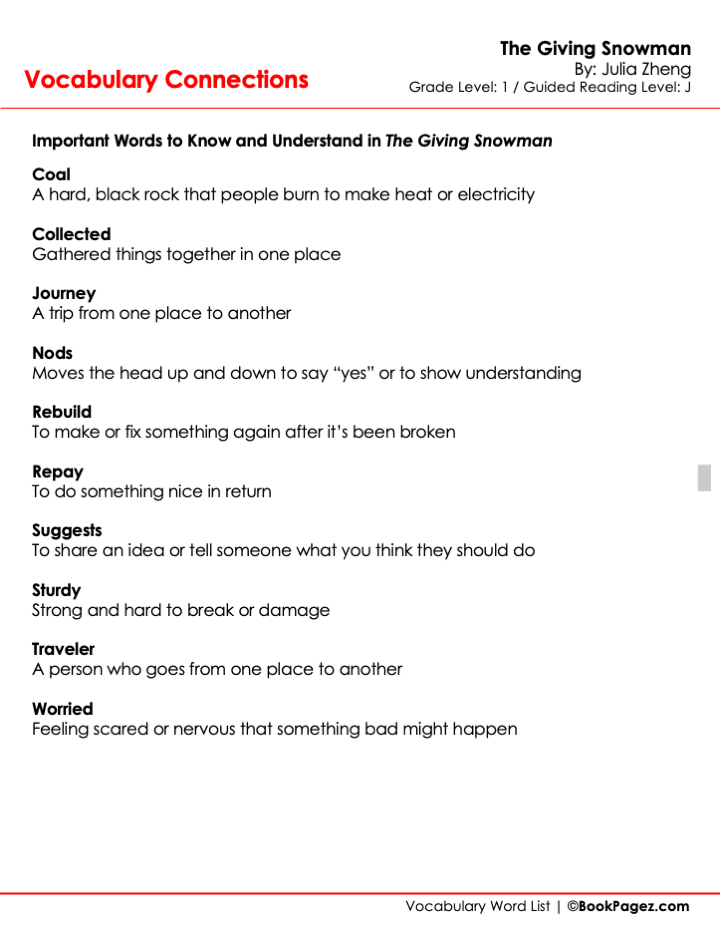
This set of vocabulary development resources for The Giving Snowman highlights key words that are essential for students to understand while reading the story. Through engaging activities such as word games, word-to-definition and picture matching, and word categorization practice, students will build the vocabulary they need to comprehend this story—and many others—with confidence.

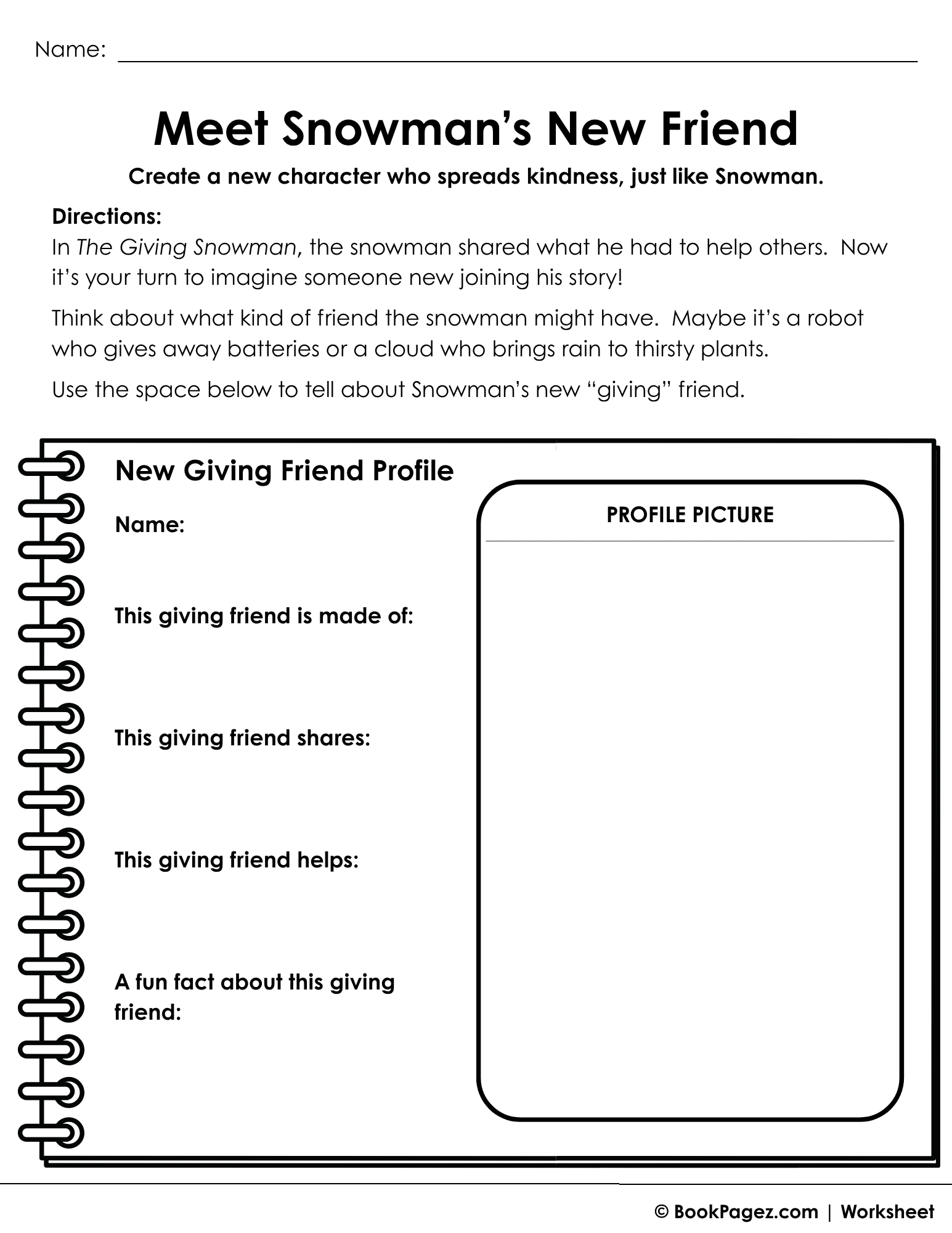
In The Giving Snowman, kindness and generosity take center stage. In this writing activity, students imagine a new friend for the snowman—someone who also knows how to give and help others.
Students will use creativity and writing skills to describe Snowman's new "giving" friend and explain how this character would fit into the story. The activity supports comprehension, reinforces the theme of kindness, and encourages thoughtful, imaginative responses.
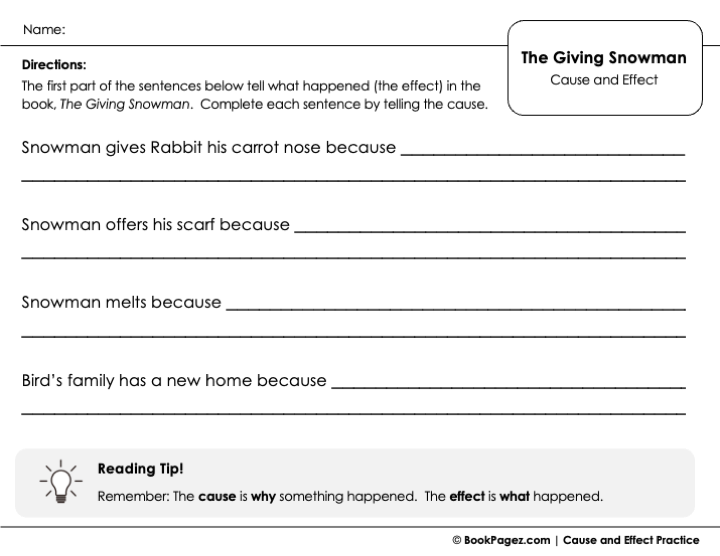
Understanding cause and effect is a key comprehension and language skill. The text structure of The Giving Snowman includes several examples of cause and effect relationships, making it easy to use as a springboard for modeling or independent practice.
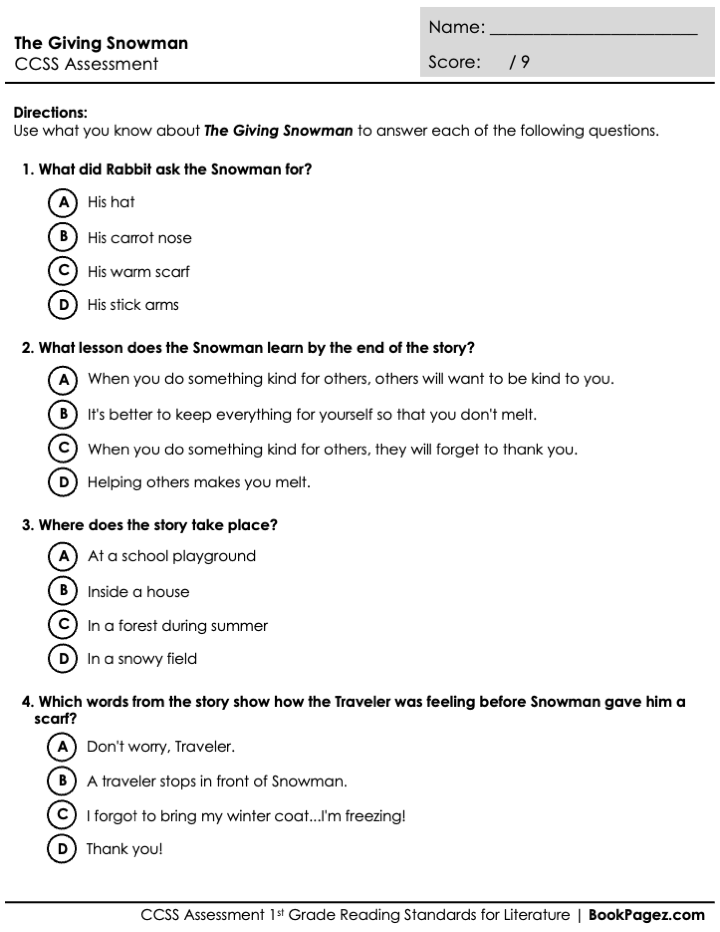
This simple resource includes four sentence stems. Each sentence stem presents an effect. Students will use what they know about the book to fill in the cause of the effect.
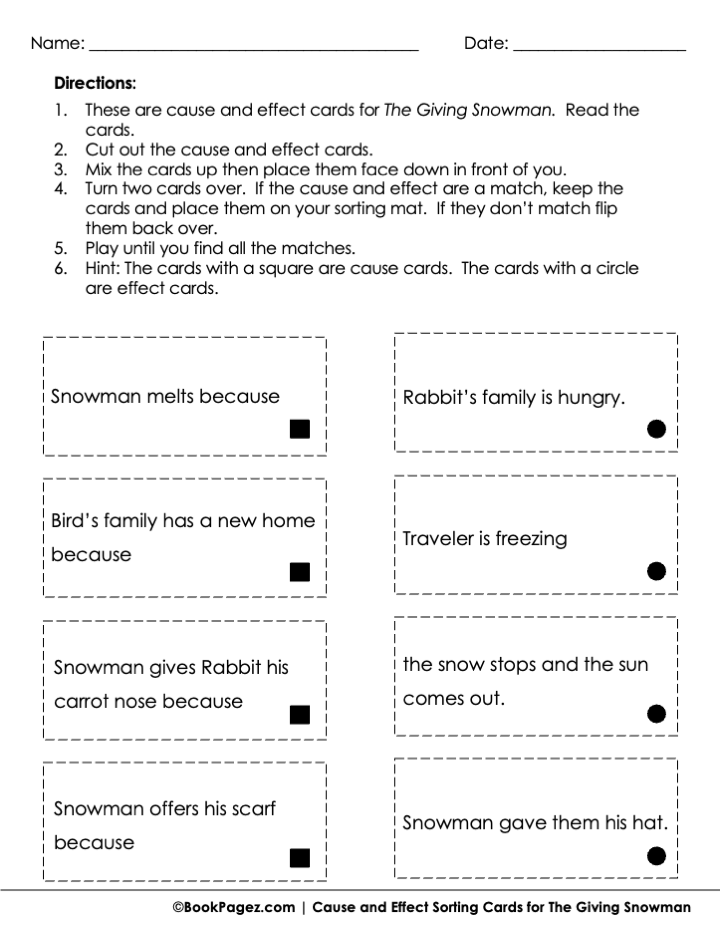
Read The Giving Snowman then have some fun matching cause and effect sentences from the book. By using these cause and effect cards, students will demonstrate both their comprehension of the text and their understanding of cause and effect relationships in a hands-on and interactive way.
This resource includes matching/sorting cards and a sorting mat for four cause and effect sentences in The Giving Snowman. Each cause card is marked with a square, and each effect card is marked with a circle, making it easy to support students who struggle with matching cause and effect relationships.

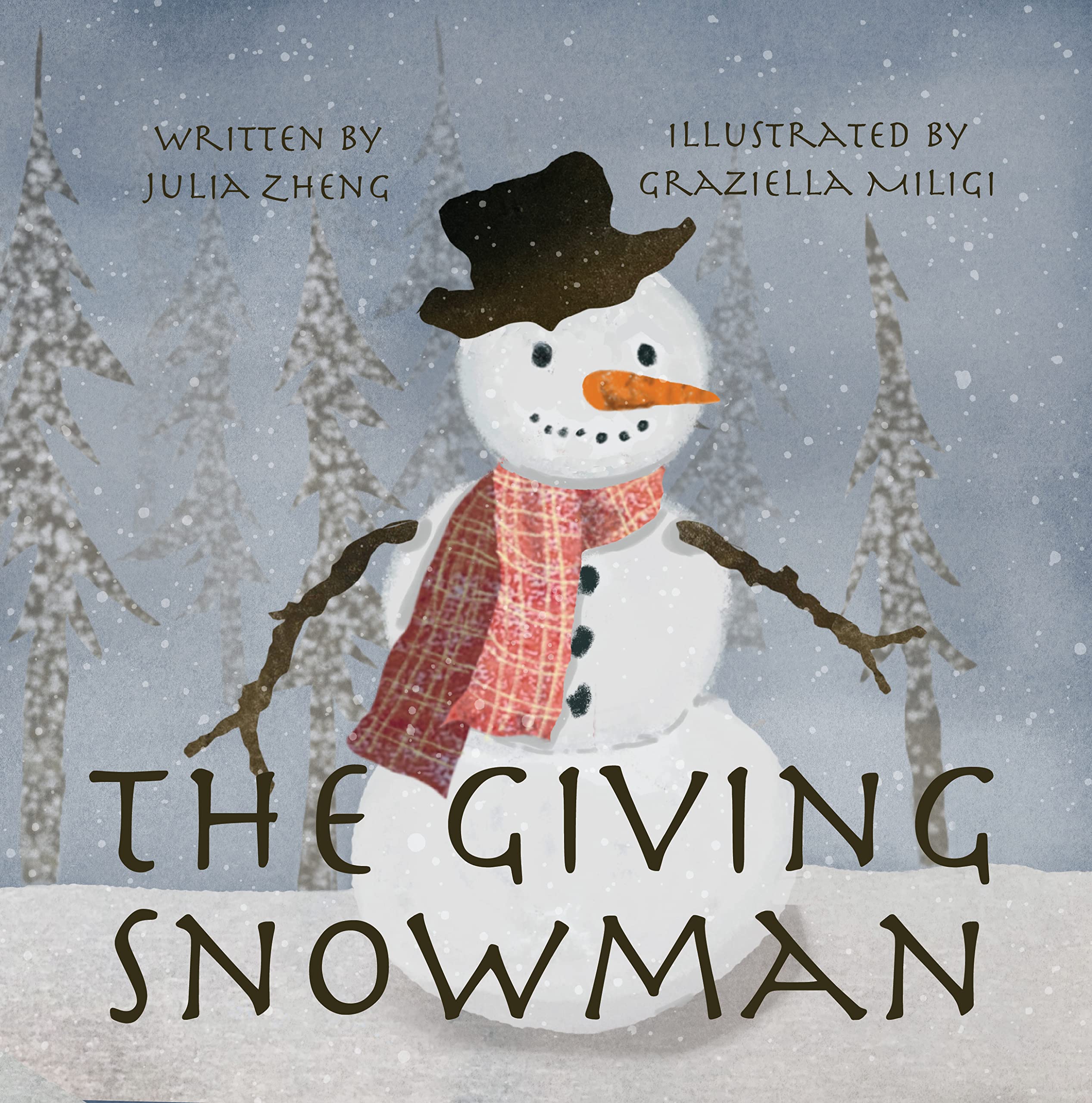
The Giving Snowman by Julia Zheng is a heartwarming story that invites young readers to explore the true meaning of kindness and gratitude. Set on a magical snowy night, the story introduces a gentle Snowman who stands in an open field, ready to help anyone in need. Throughout the night, the Snowman selflessly assists a worried Bird whose nest has fallen, a hungry Rabbit searching for food, a Farmer in need of firewood for his cold home, and a Traveler shivering without a coat. Each time, the Snowman offers a piece of himself—his hat, carrot nose, sturdy stick arms, and warm scarf—ensuring that each friend is cared for and comforted.
The next day, when the sun comes out and the Snowman melts away, the Bird, Rabbit, Farmer, and Traveler unite to show their gratitude. Together, they work as a team to rebuild the Snowman, returning what they can and demonstrating that kindness creates lasting bonds and inspires others to give back.
The story is beautifully crafted for classroom use, sparking discussions about empathy, generosity, and teamwork. With its simple text and engaging illustrations, The Giving Snowman is an ideal read-aloud for children ages 3-8, especially during the winter or holiday season. Teachers will appreciate how the book encourages children to recognize acts of giving and the joy of helping others, fostering a positive classroom community.