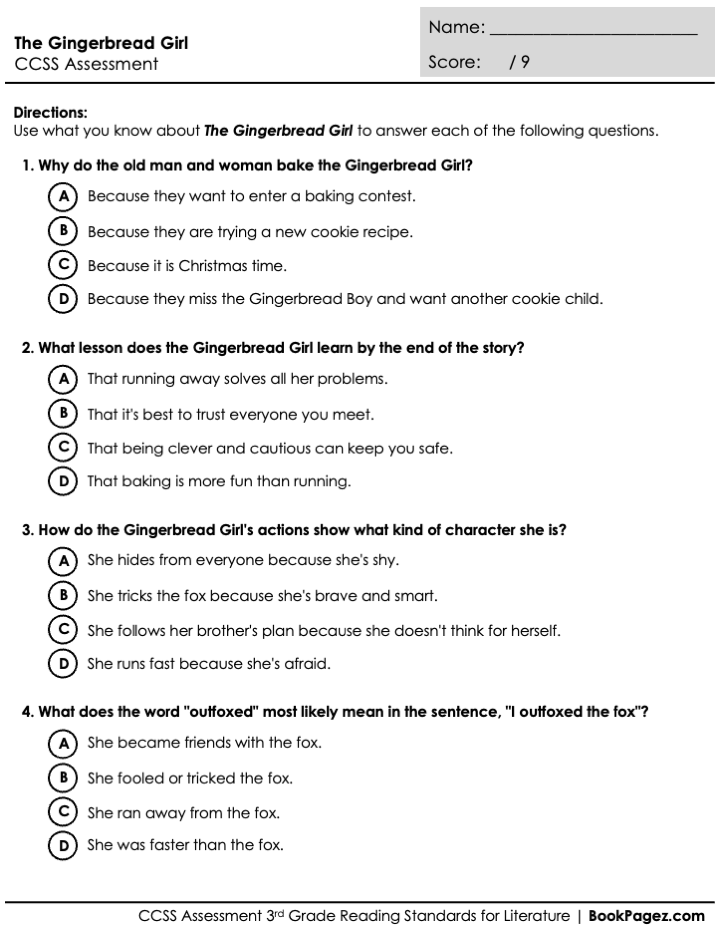
Use The Gingerbread Girl by Lisa Campbell Ernst to strengthen your students' comprehension skills, build their vocabulary, and help them understand how words work.
Run, run, as fast as you can — this time, students meet a clever cookie who learns from her brother's mistakes and outsmarts the same hungry fox who once ended his story.
This resource set helps students practice three key comprehension strategies: Understanding Text Structure, Making Predictions, and Identifying Author's Purpose. Each activity guides readers to explore how familiar story patterns, character actions, and author choices shape meaning.
A word work activity focuses on irregular past tense verbs, helping students recognize how verbs like ran, was, and caught tell what has already happened in the story. The vocabulary list introduces engaging third-grade level words to strengthen language and comprehension. To extend learning, an enrichment activity gives students the chance to engage with the Gingerbread Girl's adventure in a creative way. Together, these resources build fluency, comprehension, and grammar skills while students enjoy a playful twist on a classic tale.
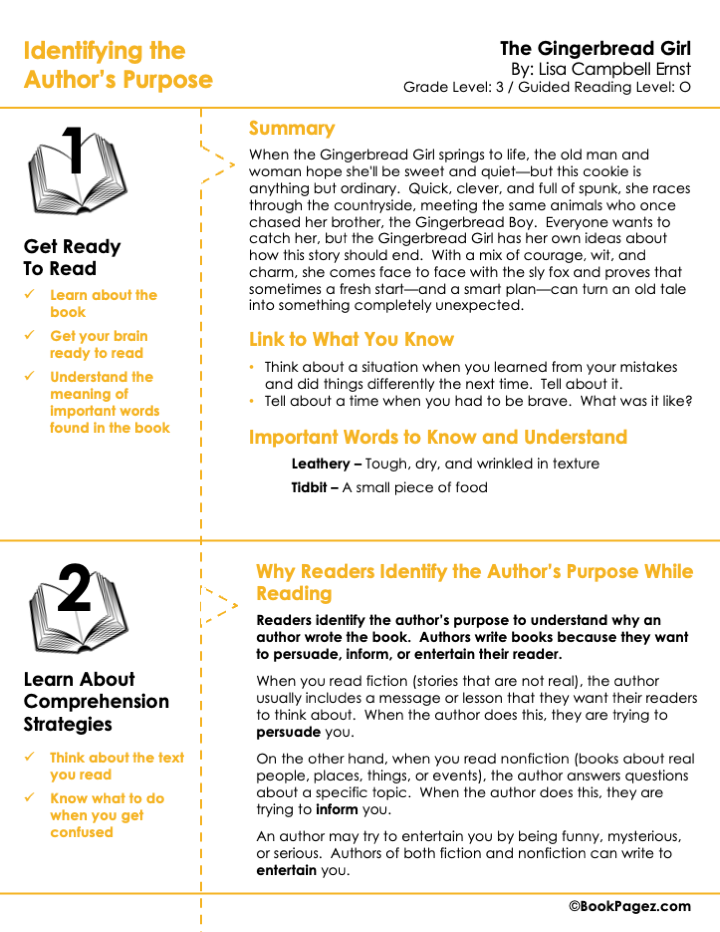
With its clever twist on a traditional tale, The Gingerbread Girl gives students a fun way to explore author's purpose. Through discussion and text evidence, readers consider why the author chose to retell the story from a new perspective—and what message they hope to share about learning from mistakes, using quick thinking, and staying determined. Students will reflect on how the author blends humor, repetition, and surprise to both entertain and teach a lesson.
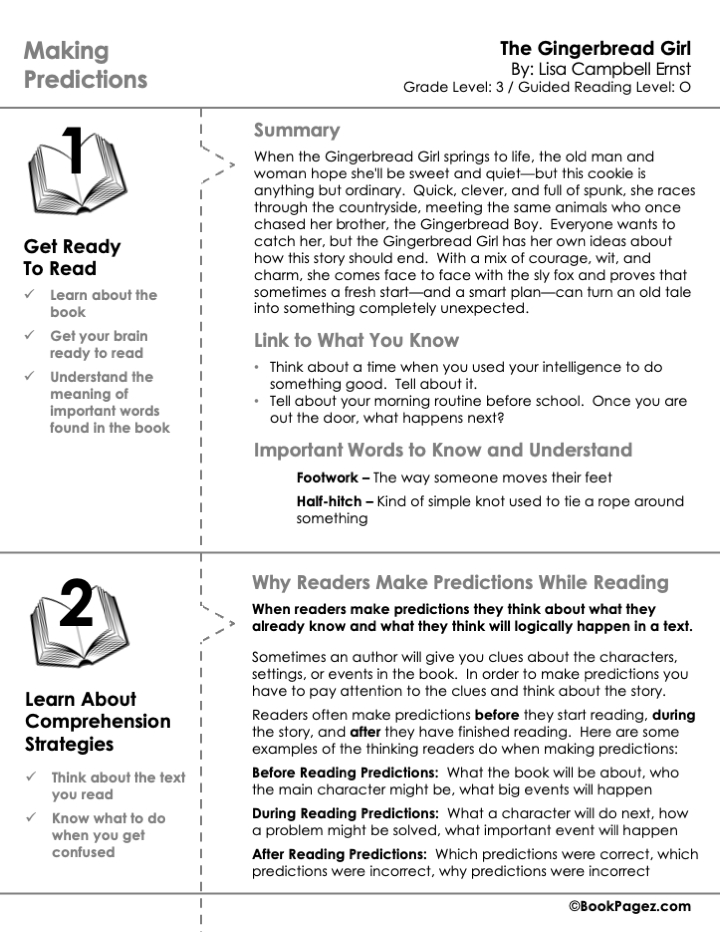
Students will have plenty of chances to make predictions as they follow The Gingerbread Girl on her daring run. From the moment she hops off the baking sheet, readers can use clues from the repetitive text and colorful illustrations to guess what might happen next—and whether she'll meet the same fate as her brother. Guided questions encourage students to pause, predict, and confirm their thinking, fostering critical thinking and curiosity.
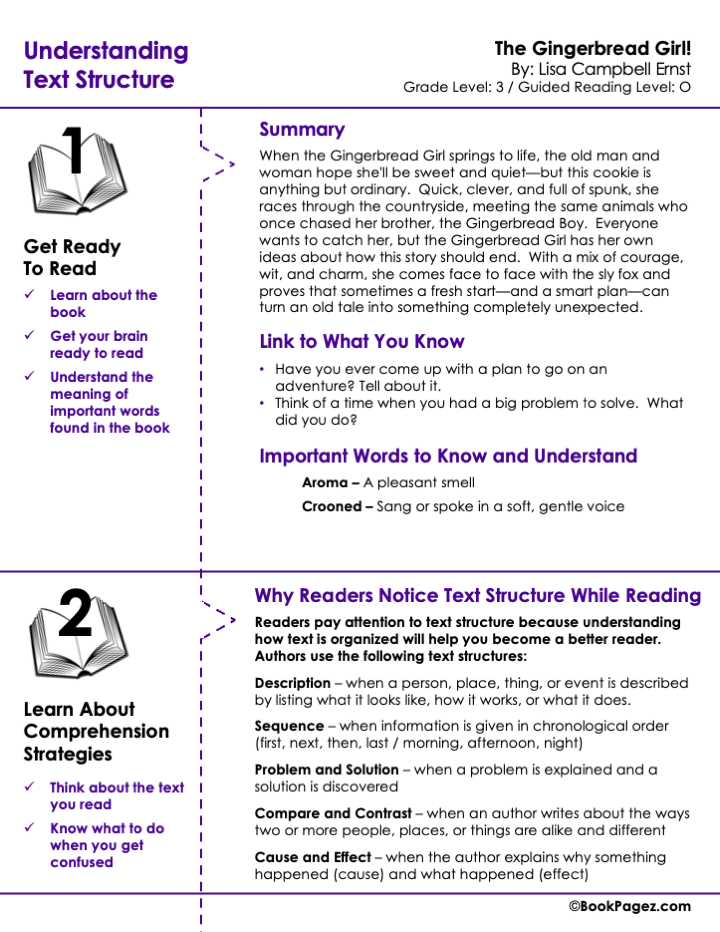
The Gingerbread Girl is an engaging story for teaching text structure—how the parts of a story work together to create meaning. Students explore how this version follows the familiar pattern of The Gingerbread Boy while adding clever twists that make it new. Guided questions help readers sequence the story, compare and contrast the Gingerbread Girl with her brother, and describe the fiery personality of the main cookie character. By analyzing this fun tale, students discover how structure adds rhythm, humor, and a satisfying ending.
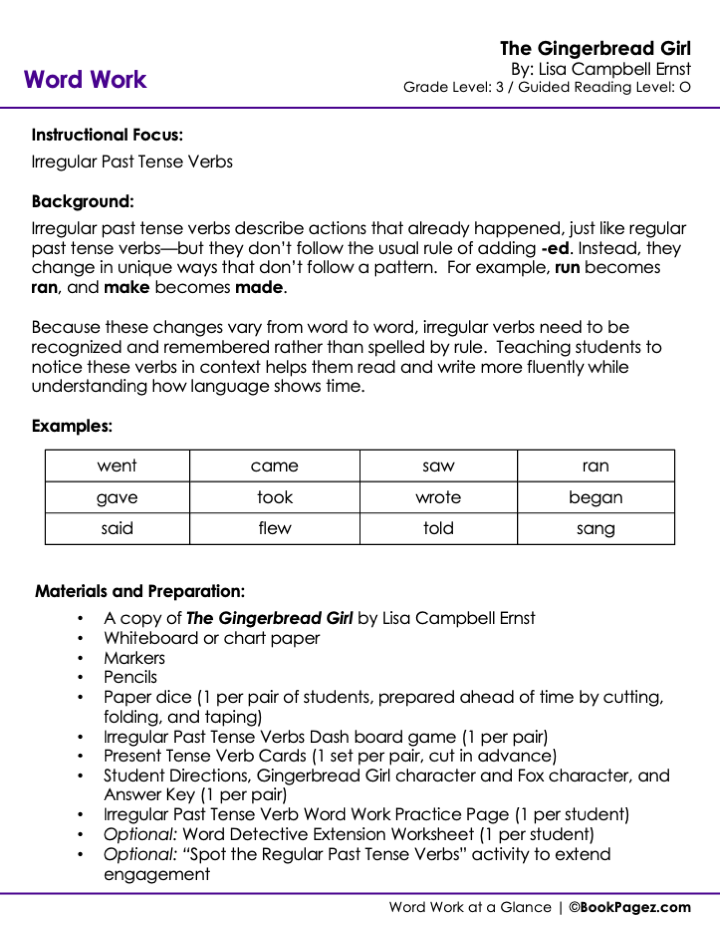
This word work lesson uses The Gingerbread Girl by Lisa Campbell Ernst to introduce irregular past tense verbs through meaningful, text-based instruction.
Irregular verbs show actions that already happened, but unlike regular verbs, they don't follow the usual "add -ed" rule. Instead, they change in unpredictable ways—like run to ran or make to made. These verbs need to be recognized and remembered, not spelled by rule.
As students read, they'll notice verbs like ran, took, made, and caught used naturally in the story. This context helps them understand how verbs show time and why these forms matter.
Through guided and independent practice, students will build fluency, improve writing accuracy, and gain confidence using irregular past tense verbs in their own reading and writing.
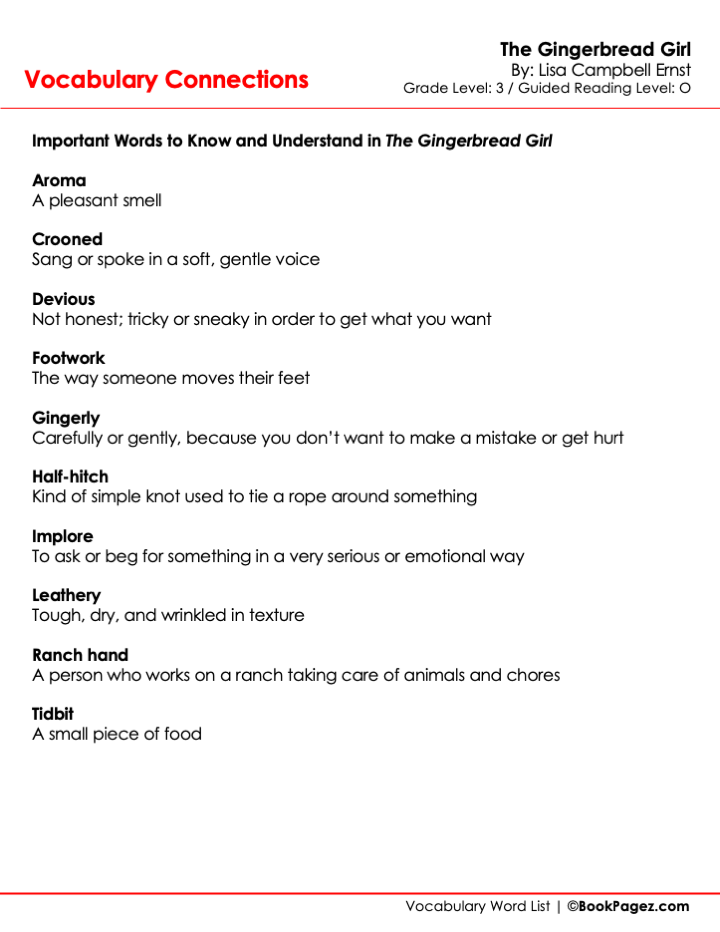
This set of vocabulary development resources for The Gingerbread Girl highlights key words that are essential for students to understand while reading the story. Through engaging activities such as word games, word-to-definition and picture matching, and word categorization practice, students will build the vocabulary they need to comprehend this story—and many others—with confidence.

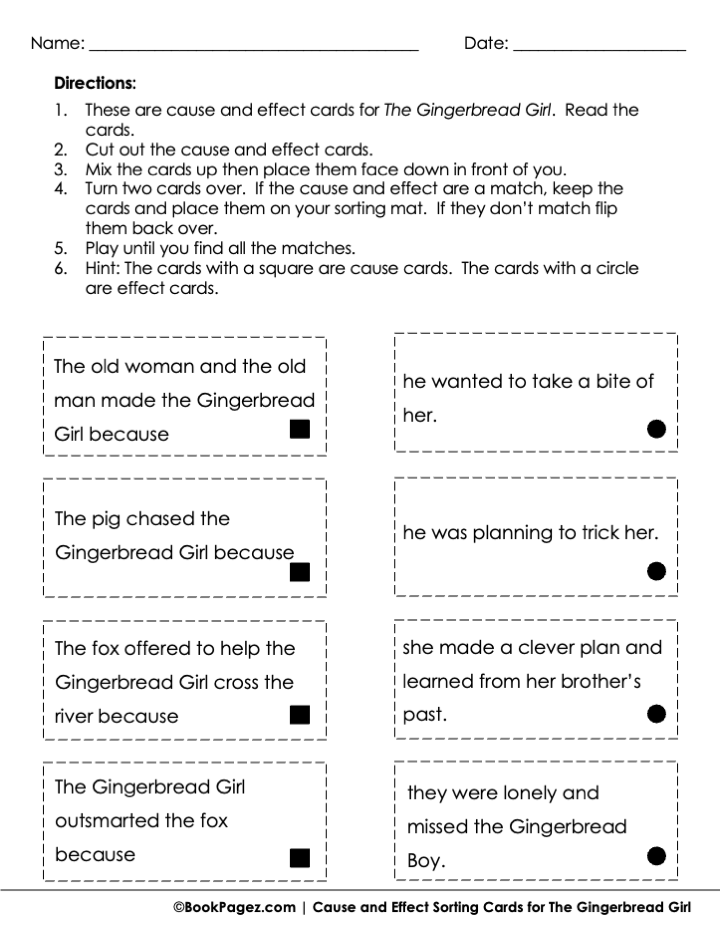
Read The Gingerbread Girl then have some fun matching cause and effect sentences from the book. By using these cause and effect cards, students will demonstrate both their comprehension of the text and their understanding of cause and effect relationships in a hands-on and interactive way.
This resource includes matching/sorting cards and a sorting mat for four cause and effect sentences in The Gingerbread Girl. Each cause card is marked with a square, and each effect card is marked with a circle, making it easy to support students who struggle with matching cause and effect relationships.
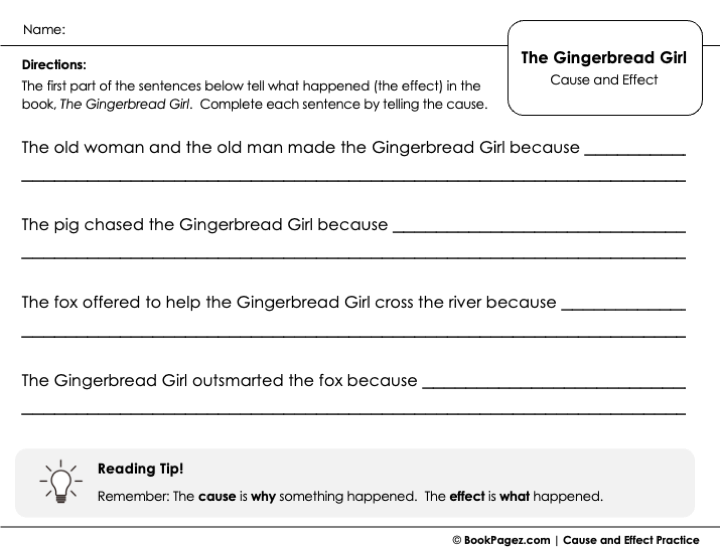
Understanding cause and effect is a key comprehension and language skill. The text structure of The Gingerbread Girl includes several examples of cause and effect relationships, making it easy to use as a springboard for modeling or independent practice.
This simple resource includes four sentence stems. Each sentence stem presents an effect. Students will use what they know about the book to fill in the cause of the effect.
This activity introduces students to fractured fairy tales using The Gingerbread Girl as a mentor text. Students identify how the familiar story is changed through new characters, a new ending, and a fresh message. Then, they apply their understanding by creating their own fractured fairy tale, strengthening comprehension, story structure, and creative thinking.

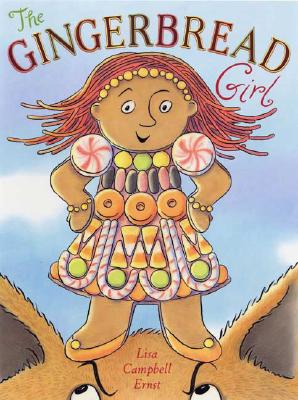
The Gingerbread Girl offers a playful, girl-powered twist on the classic Gingerbread Boy tale that many young students already know. One year after their first gingerbread creation met a sad end, a lonely old woman and a lonely old man decide to bake a new cookie child—this time a gingerbread girl. Decorated with bright candies and a long licorice-strap ponytail, she springs from the oven full of energy, chanting her own catchy rhyme as she takes off down the road.
As the Gingerbread Girl races through a rural landscape of farms, fields, and a nearby town, she passes a variety of people and animals who all want to catch and eat her. A farmer and his family, their livestock, a pig, dogs, a young dog walker, an artist, and groups of children join the ever-growing chase. The familiar cumulative structure and repeated refrain make this story especially fun to read aloud and easy for students to join in, anticipate patterns, and compare with the original folktale.
When the Gingerbread Girl finally meets the same sly fox who once devoured her brother, she appears to accept his offer of help. However, this “smart cookie” has learned from the past and uses her wits—and her licorice hair—to change the outcome. The story concludes with a much happier, “sweet” ending that centers community, problem-solving, and compassion.
For classrooms, The Gingerbread Girl is ideal for lessons on fractured fairy tales, comparing and contrasting different versions of a story, character traits (especially courage and cleverness), rhyme and repetition, and gender representation in traditional tales. Its lively artwork, cumulative action, and upbeat ending make it a strong choice for shared reading, reader’s theater, and seasonal story times.