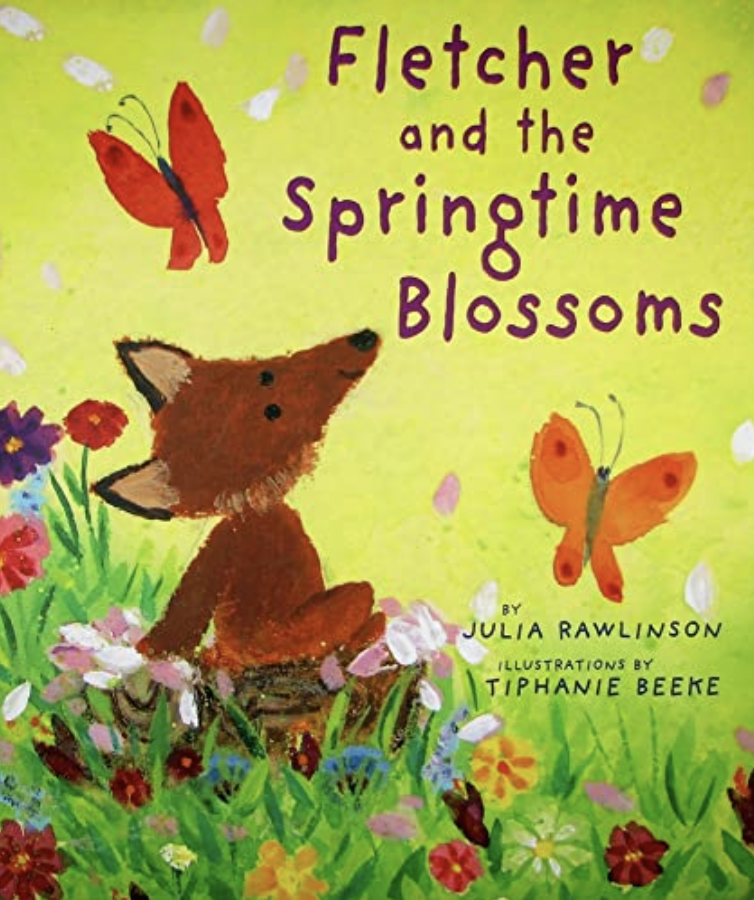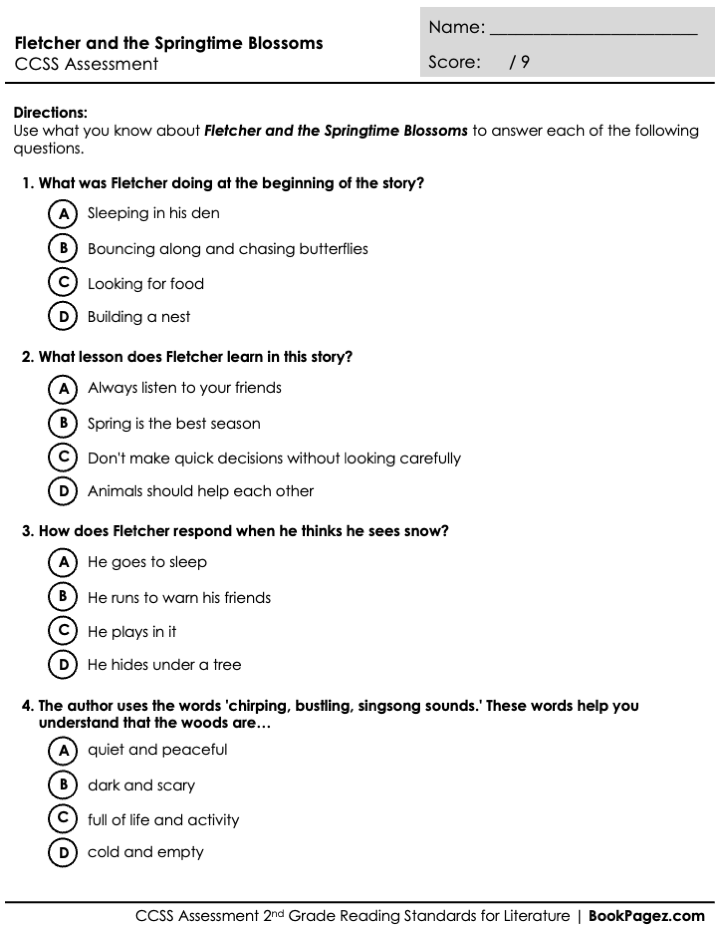
Use Fletcher and the Springtime Blossoms by Julia Rawlinson to strengthen your students' comprehension skills, build their vocabulary, and help them understand how words work.
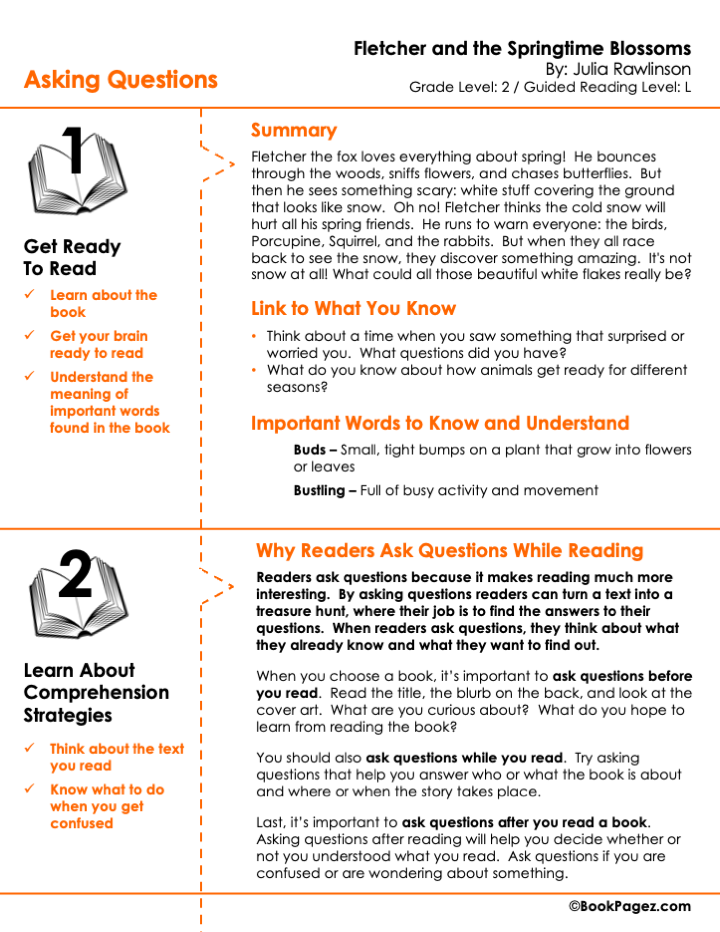
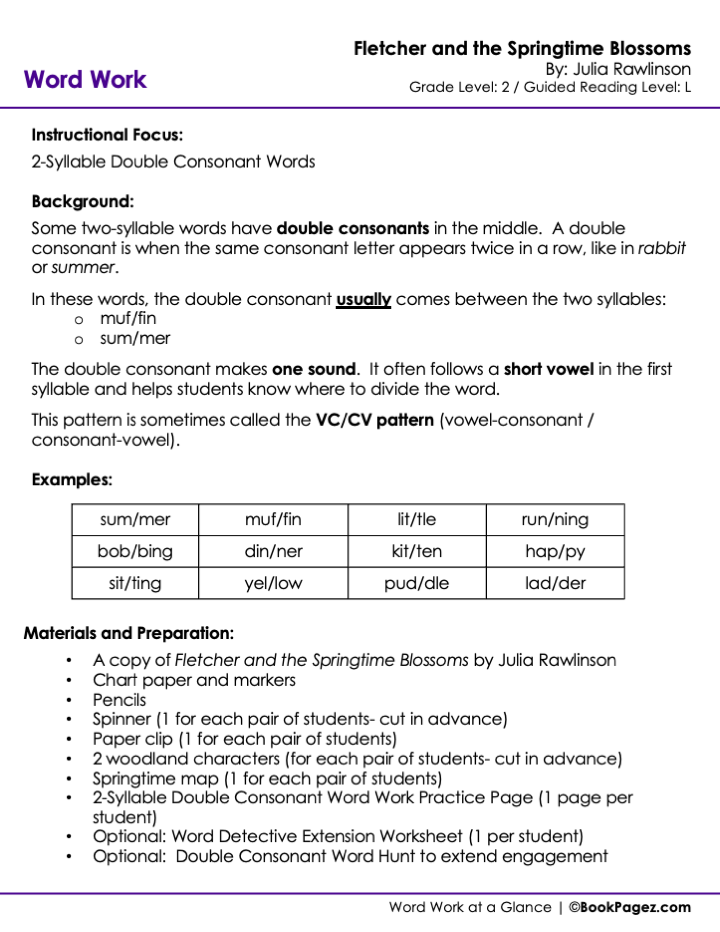
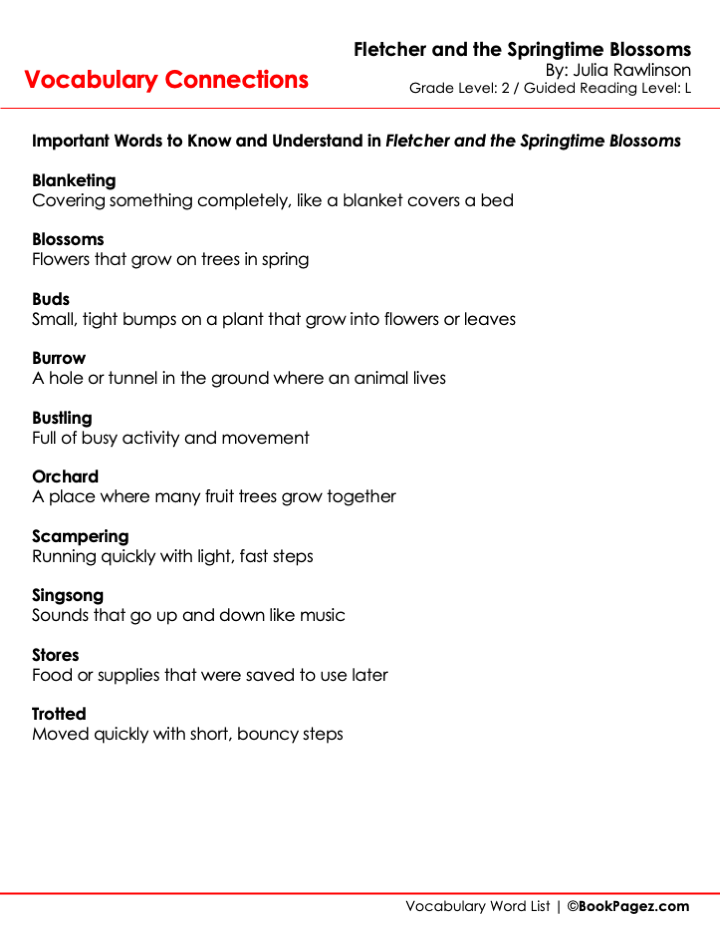
This set of vocabulary development resources for Fletcher and the Springtime Blossoms highlights key words that are essential for students to understand while reading the story. Through engaging activities such as word games, word-to-definition and picture matching, and word categorization practice, students will build the vocabulary they need to comprehend this story—and many others—with confidence.

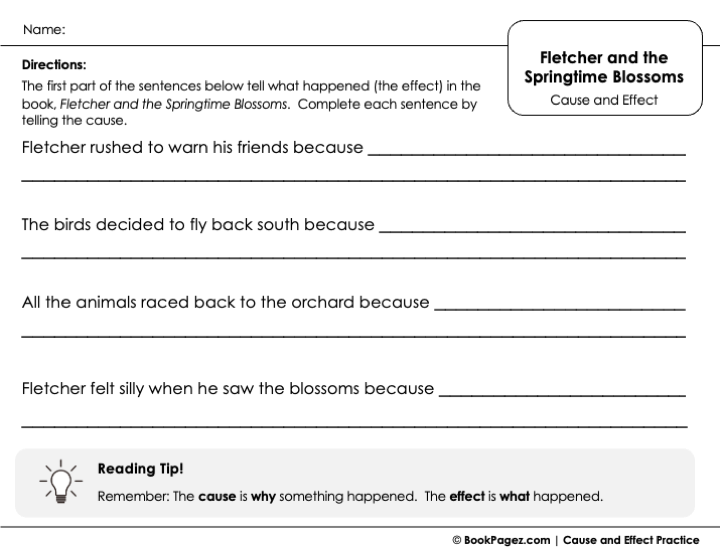
Understanding cause and effect is a key comprehension and language skill. The text structure of Fletcher and the Springtime Blossoms includes several examples of cause and effect relationships, making it easy to use as a springboard for modeling or independent practice.
This simple resource includes four sentence stems. Each sentence stem presents an effect. Students will use what they know about the book to fill in the cause of the effect.
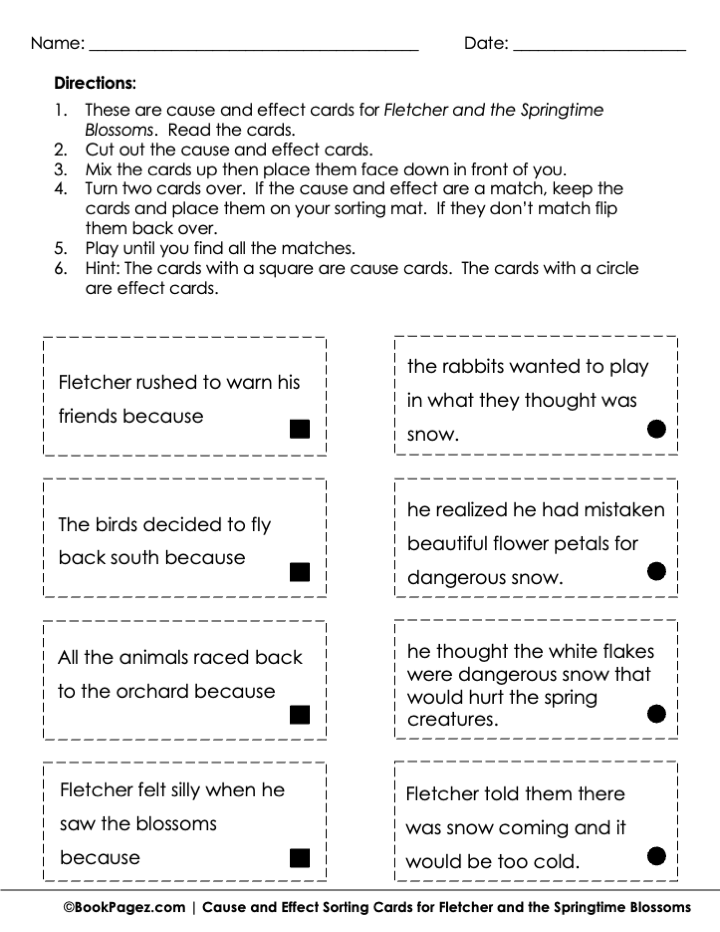
Read Fletcher and the Springtime Blossoms then have some fun matching cause and effect sentences from the book. By using these cause and effect cards, students will demonstrate both their comprehension of the text and their understanding of cause and effect relationships in a hands-on and interactive way.
This resource includes matching/sorting cards and a sorting mat for four cause and effect sentences in Fletcher and the Springtime Blossoms. Each cause card is marked with a square, and each effect card is marked with a circle, making it easy to support students who struggle with matching cause and effect relationships.
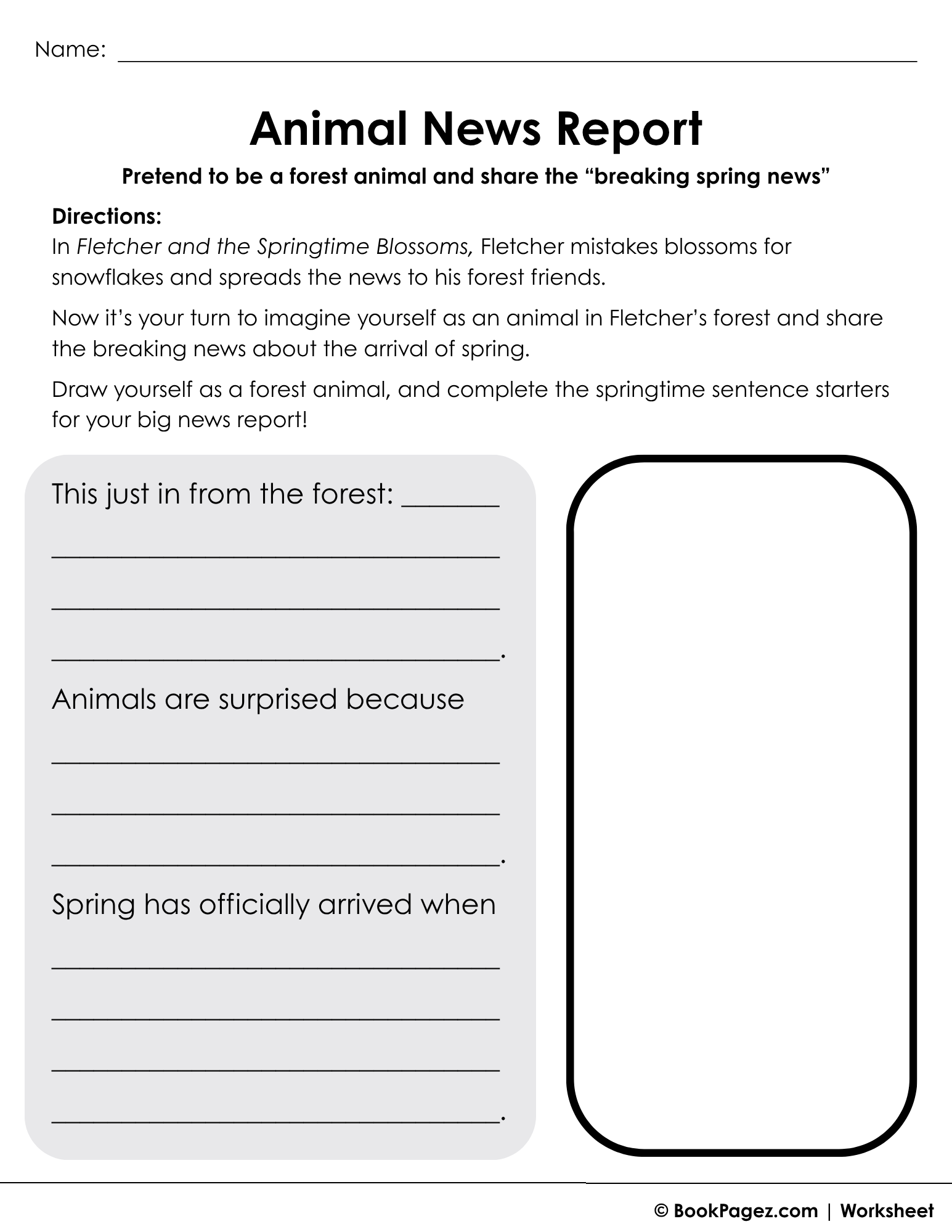
In this activity, students imagine themselves as an animal in Fletcher's forest and report on the arrival of spring. They draw their forest animal and use sentence starters to share their own "breaking news."
This extension supports comprehension by helping students connect to the story, think from a character's perspective, and respond through writing and illustration.