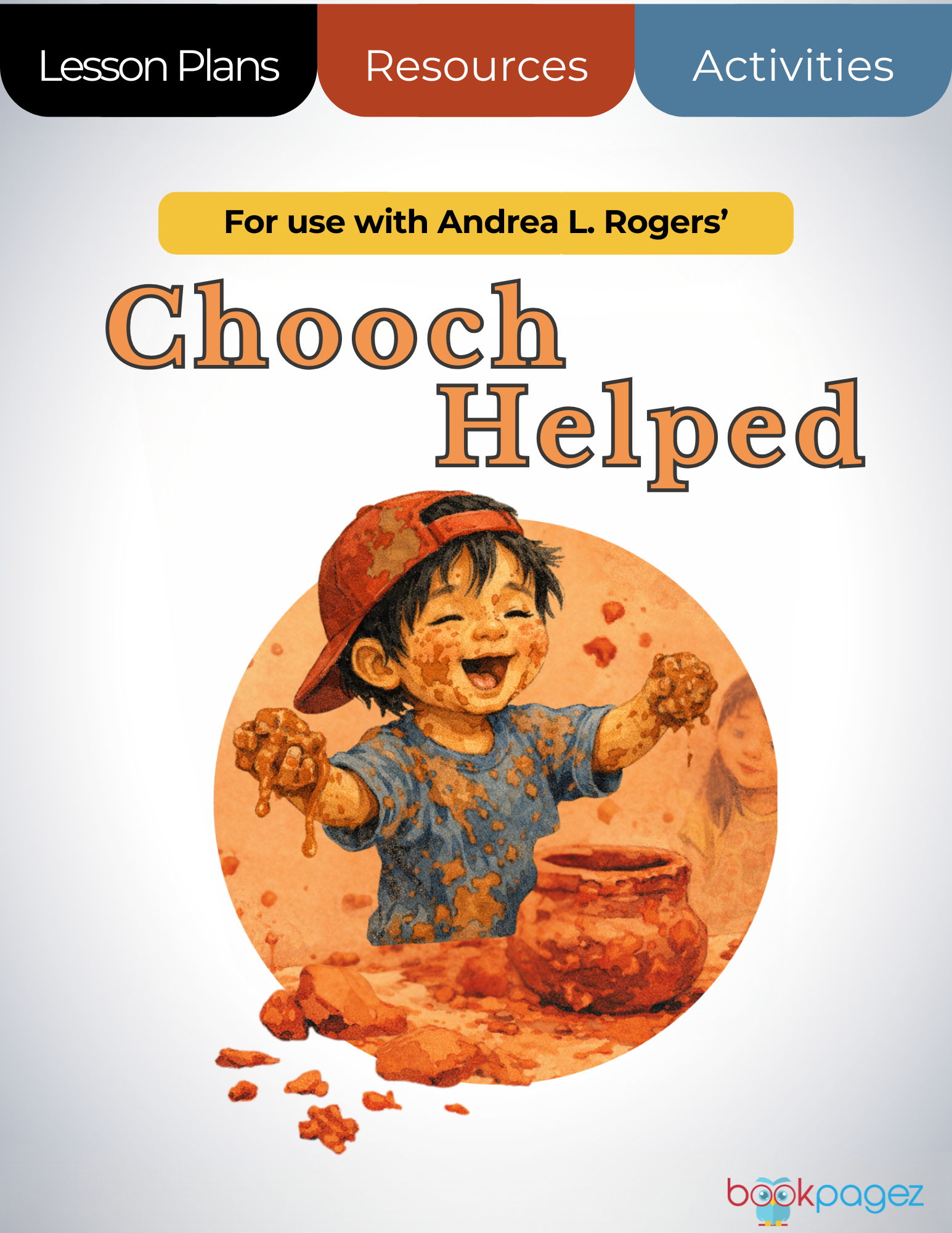
Use Chooch Helped by Andrea L. Rogers to strengthen your students' comprehension skills, build their vocabulary, and help them understand how words work.
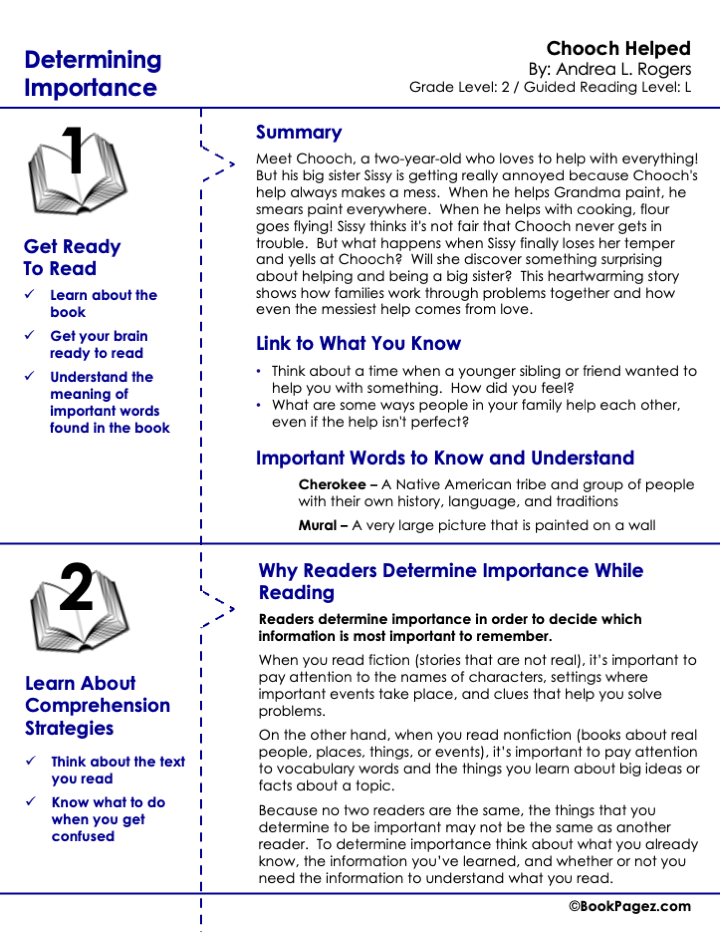
Sissy's journey from frustration to understanding provides clear examples of what matters most in family relationships, making this story ideal for teaching students to identify key details versus minor ones. Students will practice distinguishing between the surface events (Chooch making messes) and the deeper important ideas about patience, learning, and sibling love.
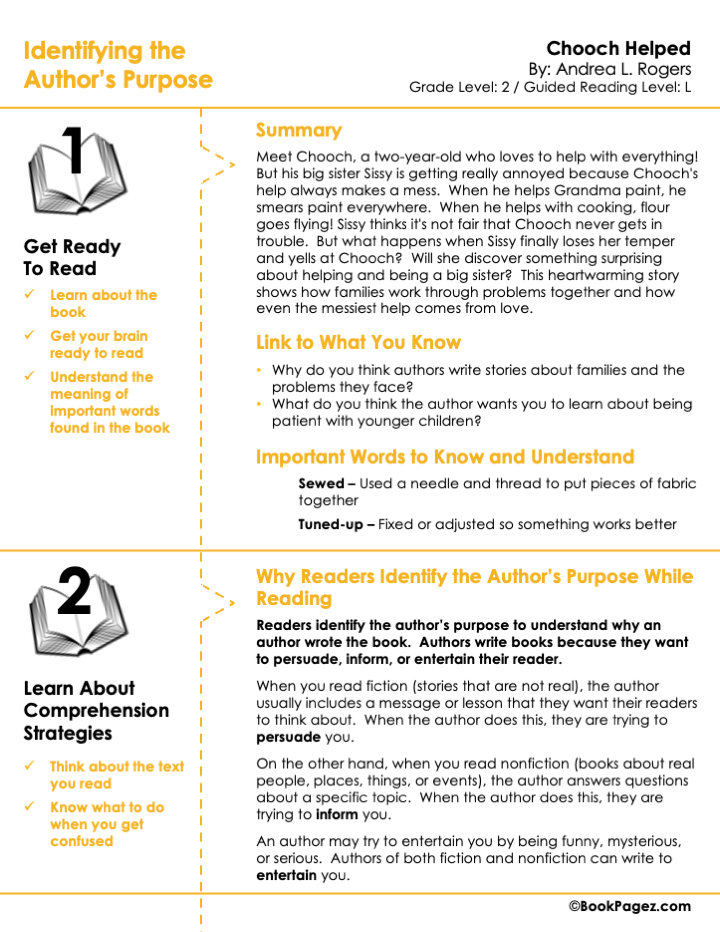
Andrea Rogers crafts a story that celebrates Cherokee culture while exploring universal themes of sibling relationships and family patience. The author's choice to include Cherokee language and traditions alongside a relatable family conflict makes this book perfect for helping students understand how authors write to both entertain and teach important lessons about understanding others.
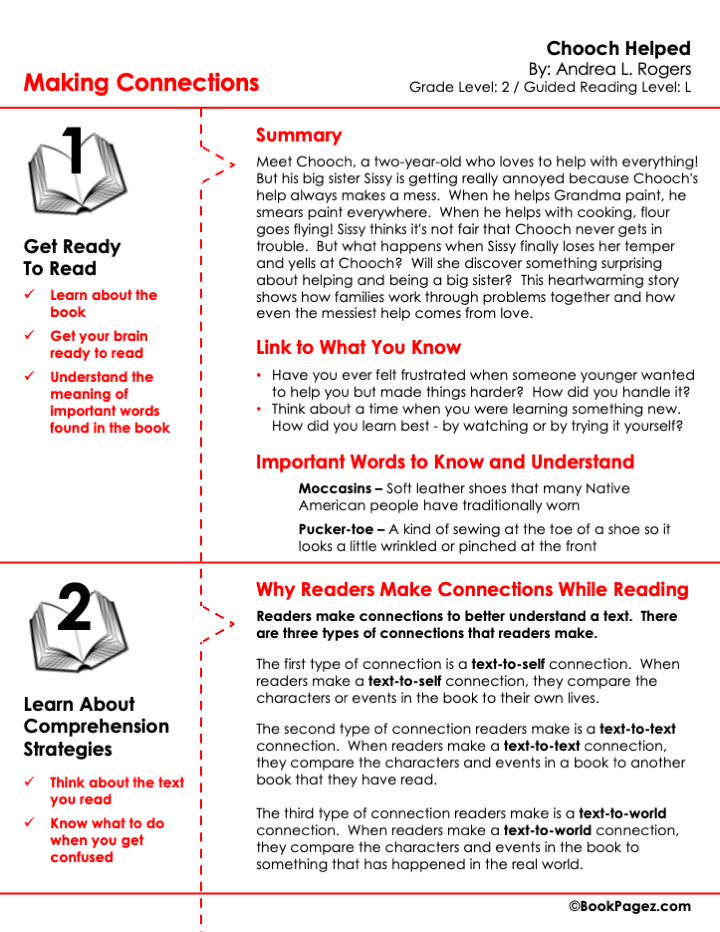
The universal experience of sibling frustration and family dynamics makes this story highly relatable for young readers. Students will easily connect Sissy's feelings about her little brother's 'help' to their own experiences with younger siblings, friends, or even their own past behavior, making it an ideal text for practicing text-to-self connections.
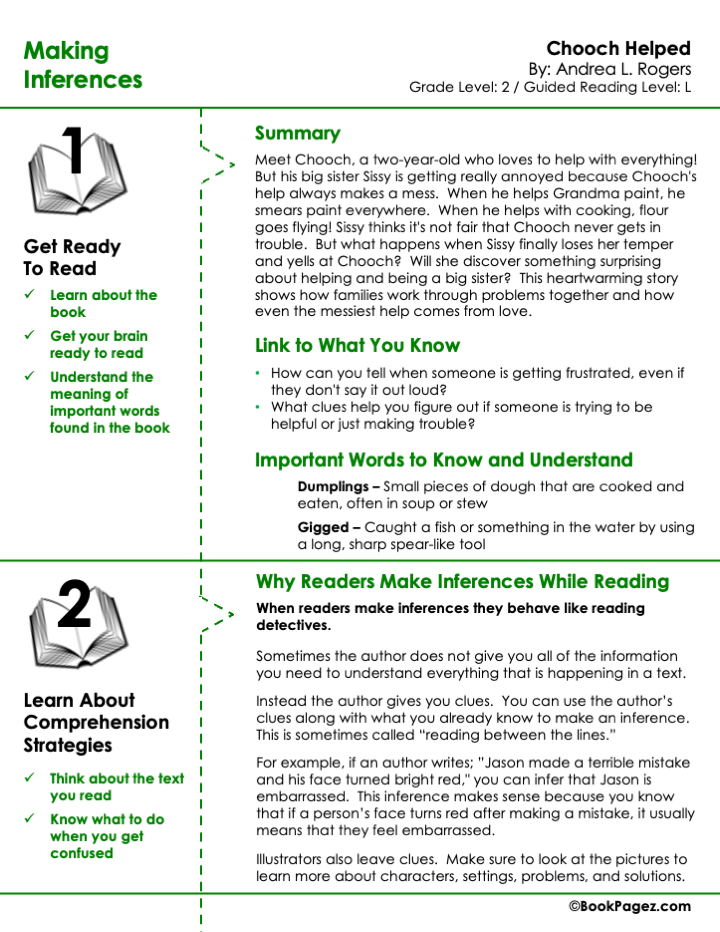
The story provides rich opportunities for inference through Sissy's internal thoughts, the family's patient responses to Chooch's messes, and the emotional subtext in the illustrations. Students can practice reading between the lines to understand character motivations, family dynamics, and the deeper meaning behind the parents' revelation about Sissy's own past behavior.
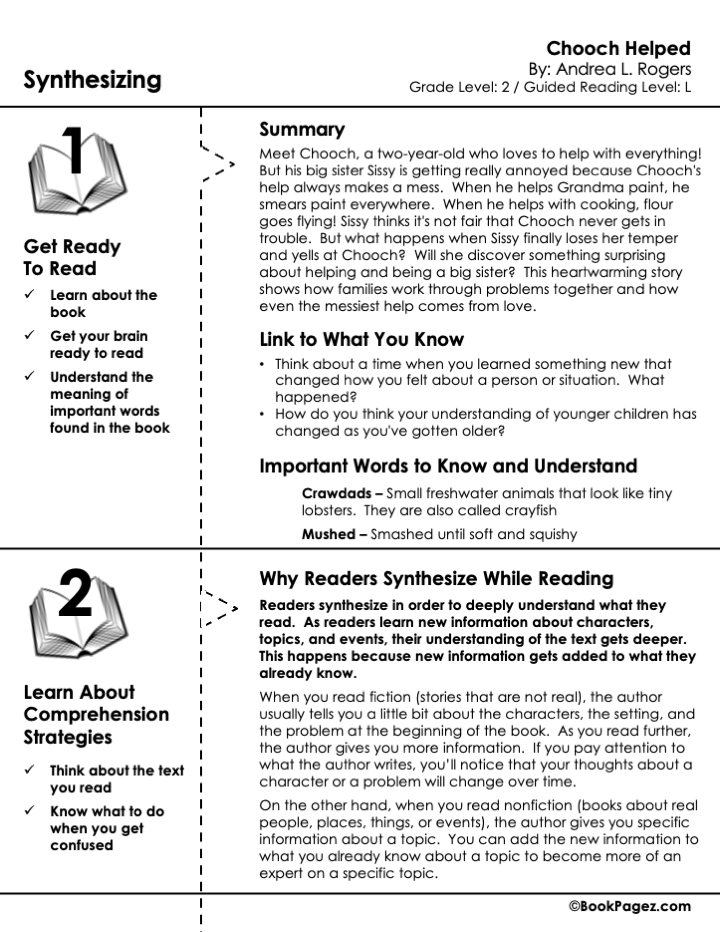
Sissy's transformation from an annoyed big sister to an understanding teacher provides a clear example of how new information can change our thinking. Students will practice synthesizing by tracking how Sissy's understanding of Chooch evolves throughout the story, especially after learning about her own past behavior and her role as his teacher.
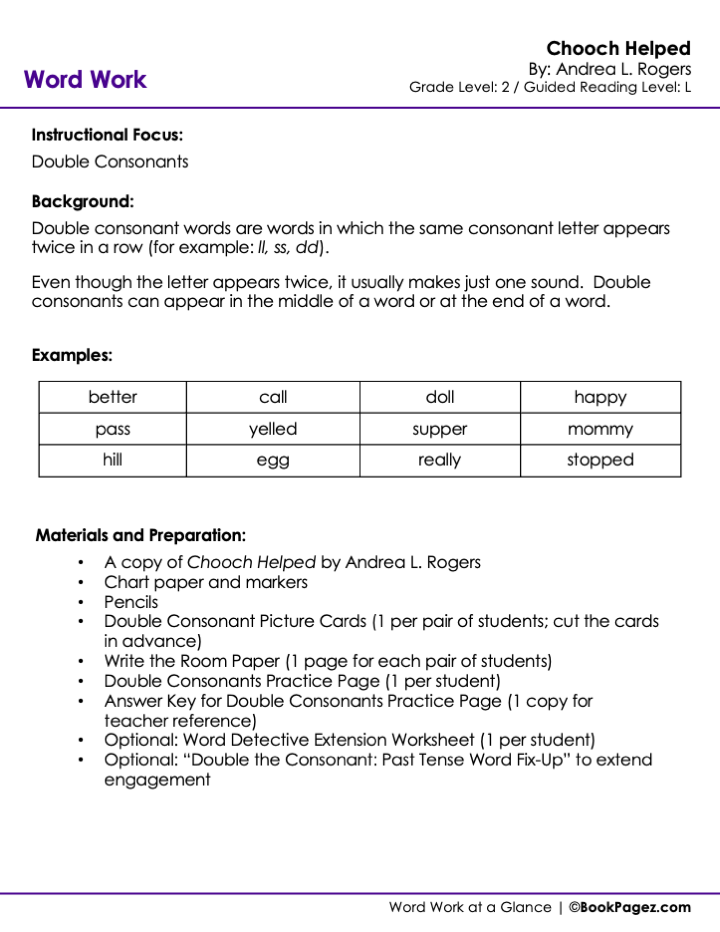
The story includes several examples of double consonants in words like 'called,' 'yelled,' and 'rolled,' making it perfect for teaching students to recognize and spell words with doubled letters. Students will identify these patterns in context and practice reading and spelling similar words.
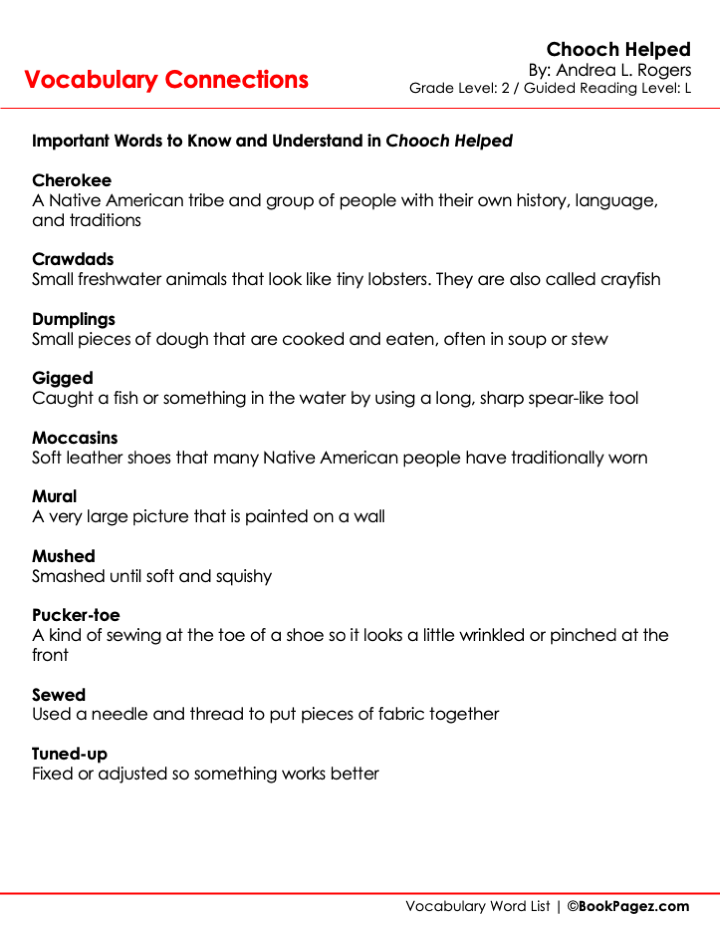
This set of vocabulary development resources for Chooch Helped highlights key words that are essential for students to understand while reading the story. Through engaging activities such as word games, word-to-definition and picture matching, and word categorization practice, students will build the vocabulary they need to comprehend this story—and many others—with confidence.

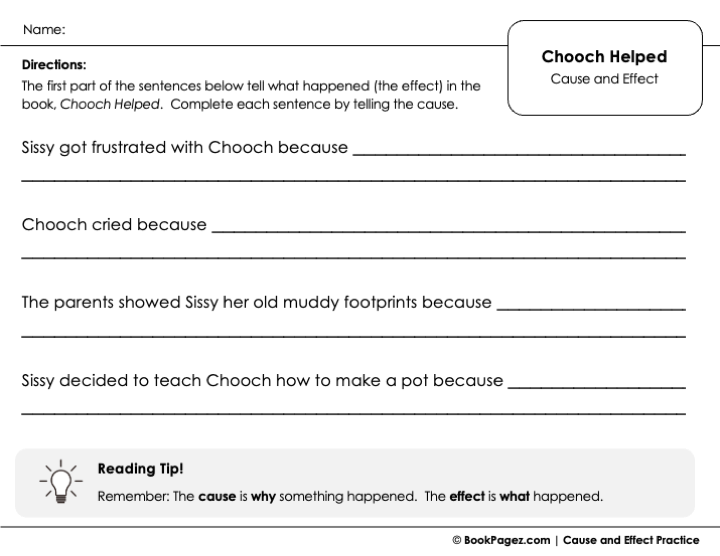
Understanding cause and effect is a key comprehension and language skill. The text structure of Chooch Helped includes several examples of cause and effect relationships, making it easy to use as a springboard for modeling or independent practice.
This simple resource includes four sentence stems. Each sentence stem presents an effect. Students will use what they know about the book to fill in the cause of the effect.
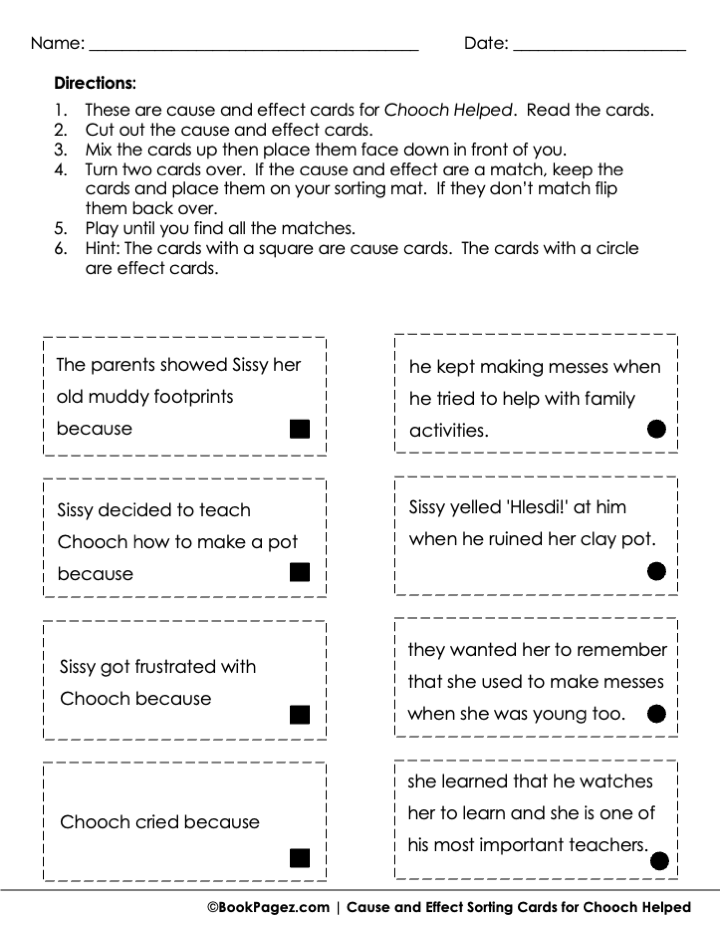
Read Chooch Helped then have some fun matching cause and effect sentences from the book. By using these cause and effect cards, students will demonstrate both their comprehension of the text and their understanding of cause and effect relationships in a hands-on and interactive way.
This resource includes matching/sorting cards and a sorting mat for four cause and effect sentences in Chooch Helped. Each cause card is marked with a square, and each effect card is marked with a circle, making it easy to support students who struggle with matching cause and effect relationships.
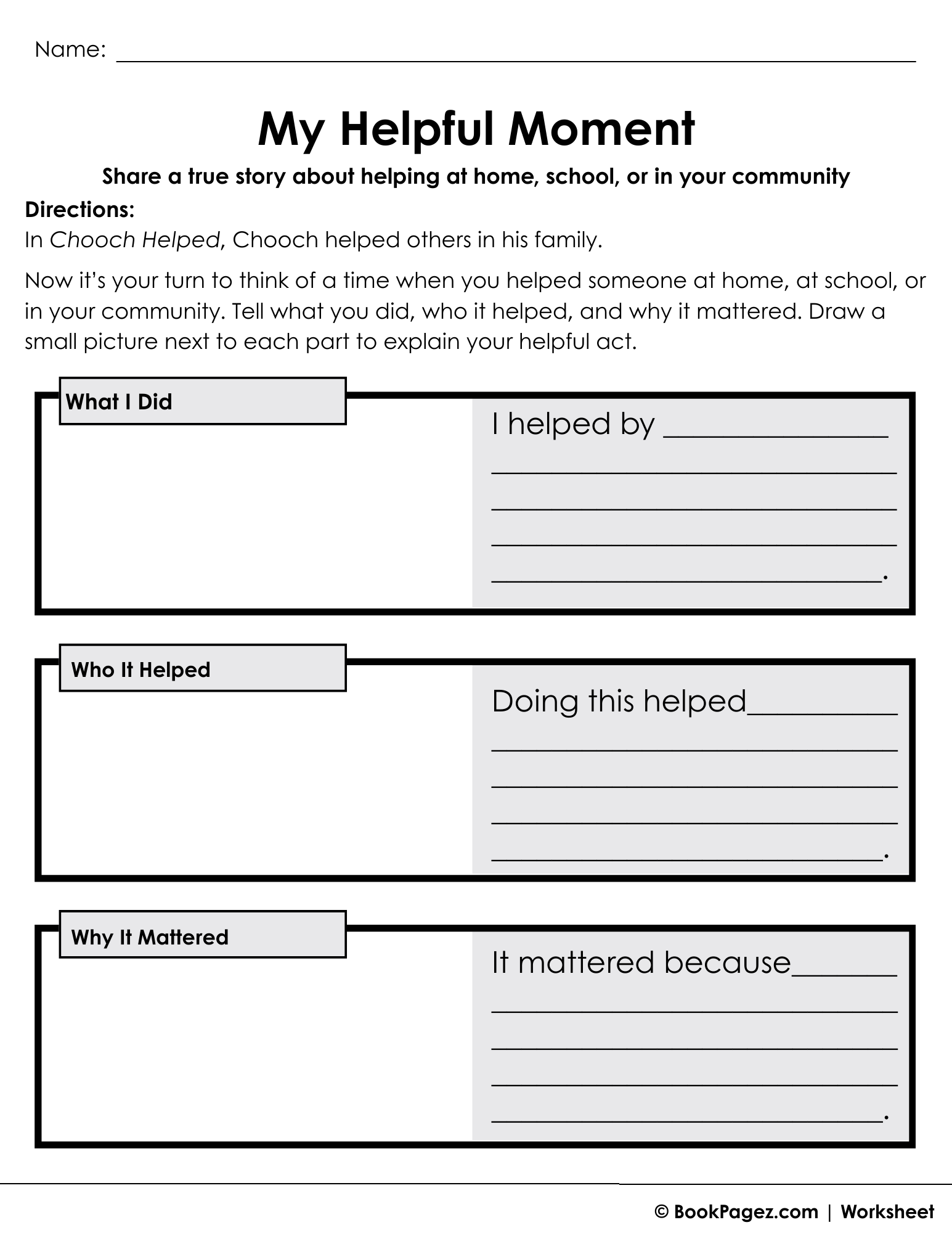
This personal response activity connects to Chooch Helped as students reflect on the ways they can help others in their own lives. After thinking about how Chooch helped his family, students describe a time when they helped someone at home, at school, or in their community. They explain what they did, who it helped, and why it mattered, while adding drawings to support each part of their response. This activity encourages text to self connections, reflection, and thoughtful writing about kindness and responsibility.

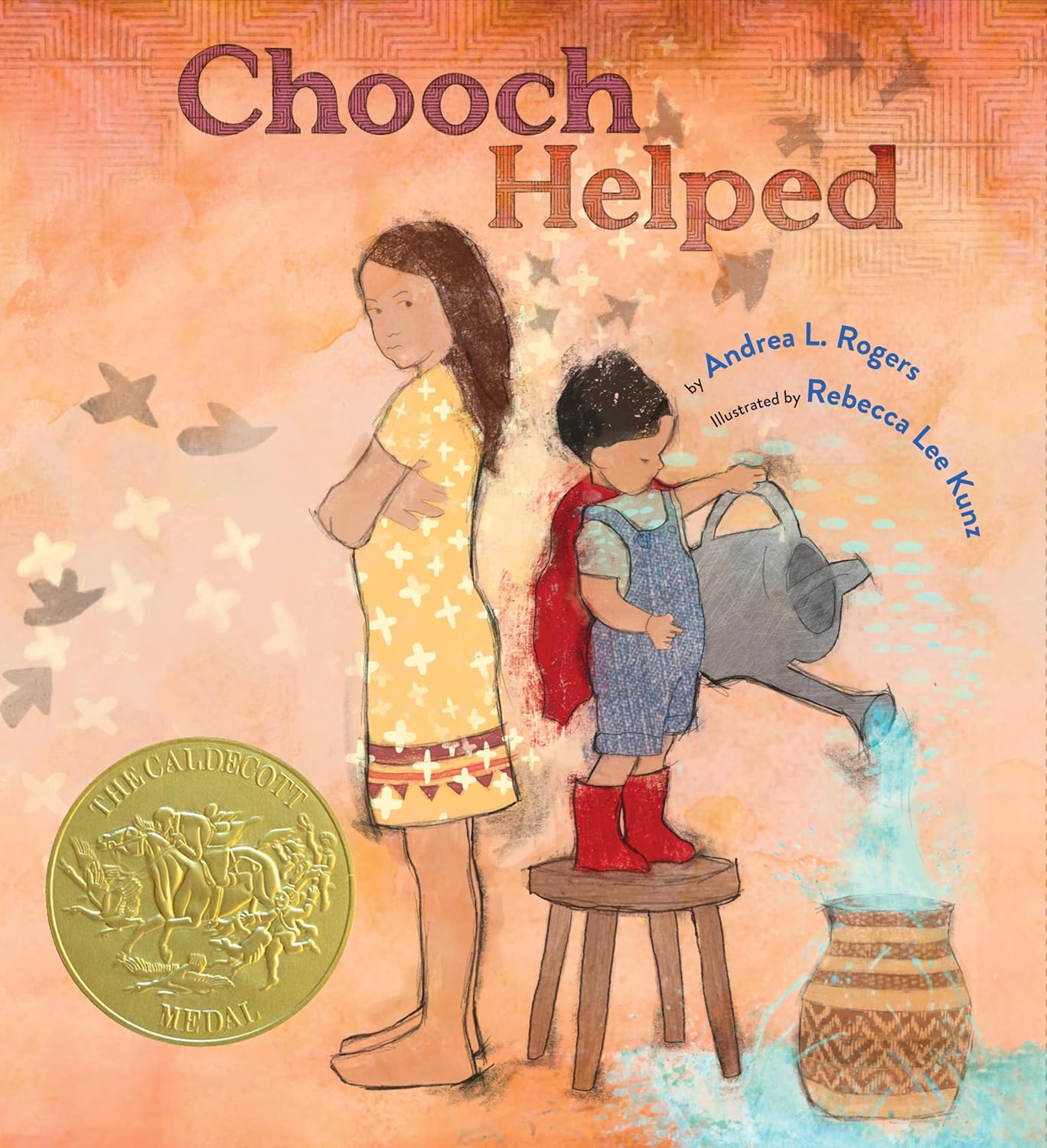
Sissy is getting frustrated with her little brother Chooch, who always wants to help with everything the family does. When Elisi paints a mural, Chooch helps by adding his own messy marks. When Edoda tunes bicycles, Chooch helps by riding his toy motorcycle nearby. Every time a family member works on traditional Cherokee activities like sewing moccasins, making grape dumplings, or catching crawdads, Chooch finds his own way to help that often creates chaos. Sissy feels like Chooch gets away with everything because he's still usdi (young). Her frustration reaches a breaking point when Chooch ruins her clay pot, leading to an outburst that hurts them both. Through gentle guidance from their parents and a revelation about her own messy helping when she was young, Sissy learns to see Chooch's eagerness in a new light and discovers her important role as his teacher.