Use Extra Yarn by Mac Barnett to strengthen your students' comprehension skills, build their vocabulary, and help them understand how words work.
This story tells about a girl named Annabelle who finds a mysterious box of yarn in her cold, gray town. When she begins knitting, she discovers the yarn never runs out—and her simple acts of kindness slowly transform the entire community. With sparse text and striking visual shifts from black-and-white to color, the story invites close reading and thoughtful discussion.
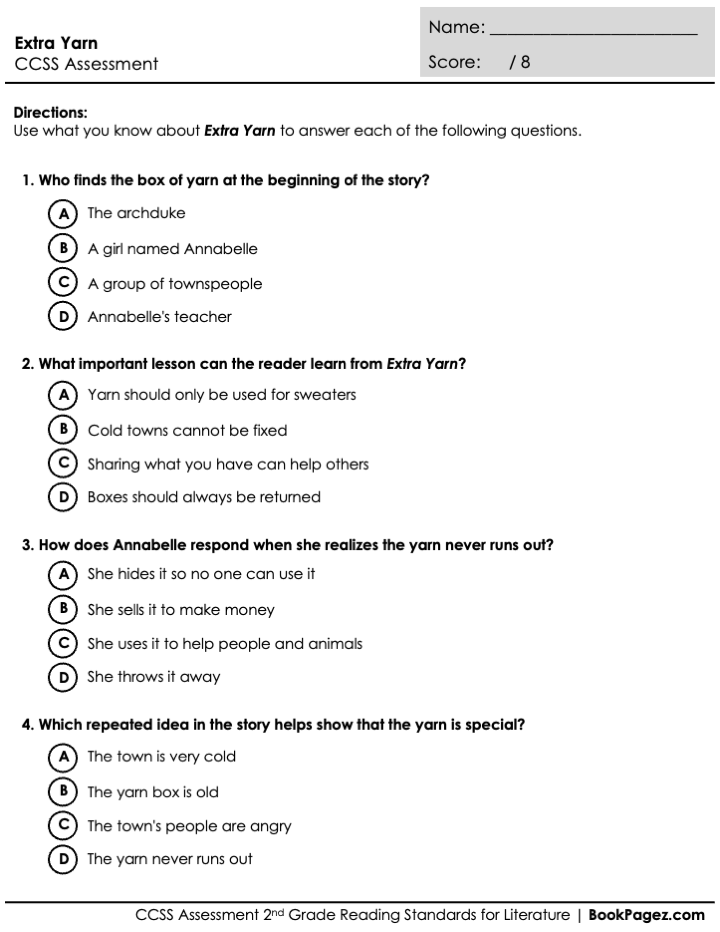
This resource set supports students as they use retelling and summarizing, making inferences, and synthesizing to deeply understand the text. Students track how Annabelle responds to challenges, infer character traits using text and illustrations, and synthesize ideas to uncover the story's central message about kindness and greed.
Students will also strengthen decoding skills through a word work routine focused on one-syllable short O and long O words, including patterns such as CVC (hot), silent e (home), O at the end (so), and ow (row). Together, these lessons keep comprehension, phonics, and meaning tightly connected.
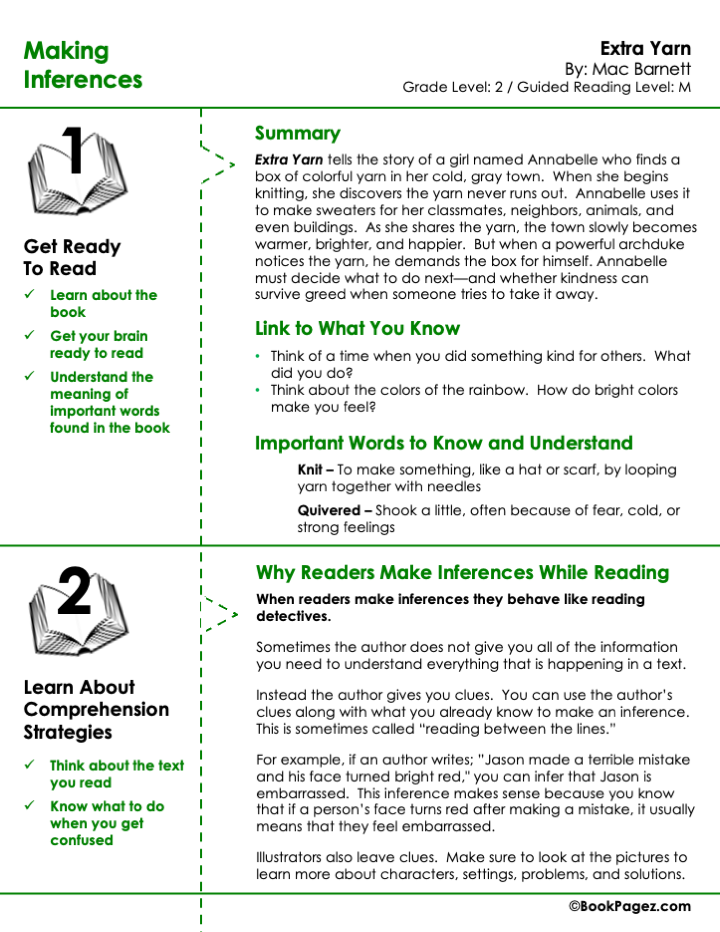
This text offers rich opportunities for making inferences, especially through its illustrations. As the town shifts from gray to colorful, students infer how characters feel and what Annabelle is like as a person. By combining clues from both the words and the artwork, readers draw conclusions about motivation, emotions, and cause-and-effect relationships—deepening their understanding beyond what is directly stated.
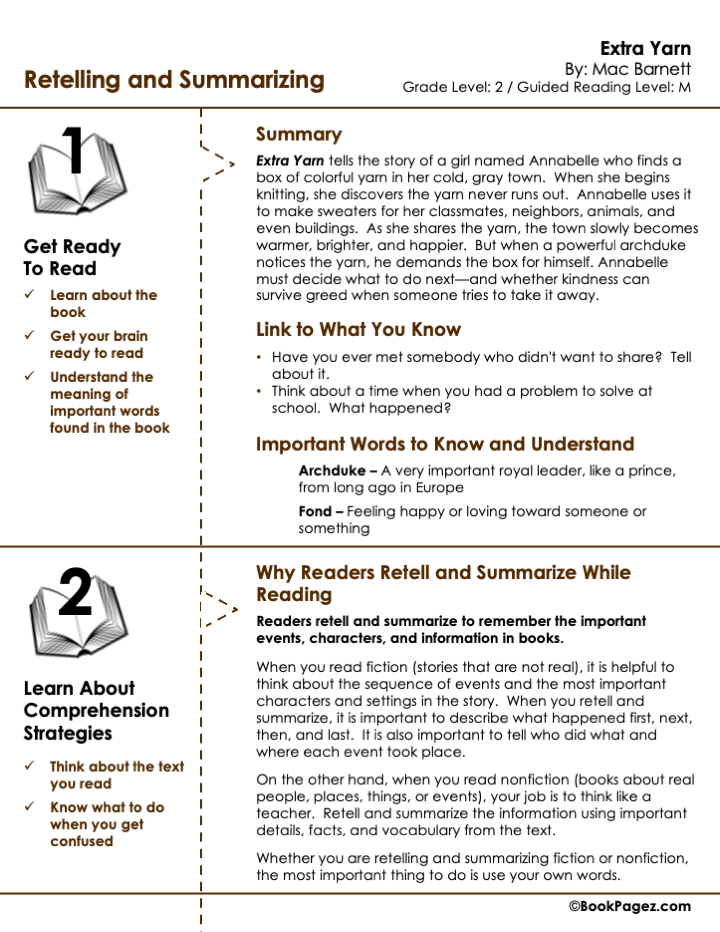
Extra Yarn is ideal for retelling and summarizing thanks to its clear sequence of events and strong beginning-middle-end structure. Students recount how Annabelle finds the yarn, how her actions change the town, and how the story resolves after the archduke intervenes. Retelling key events helps students identify important details, describe setting changes, and explain how problems are introduced and resolved across the story.
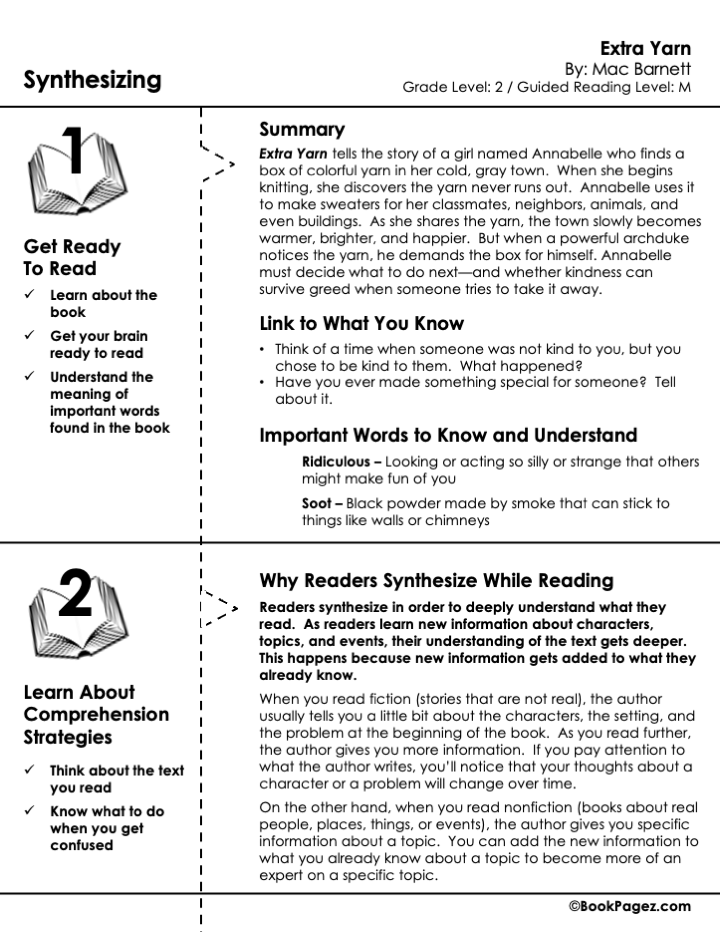
As students synthesize ideas across Extra Yarn, they consider how Annabelle's choices affect others and what the story teaches overall. By pulling together details from different parts of the text, students determine the story's central message and reflect on how kindness and generosity lead to positive change. Synthesizing helps readers move from noticing individual events to understanding the bigger idea the author wants to share.
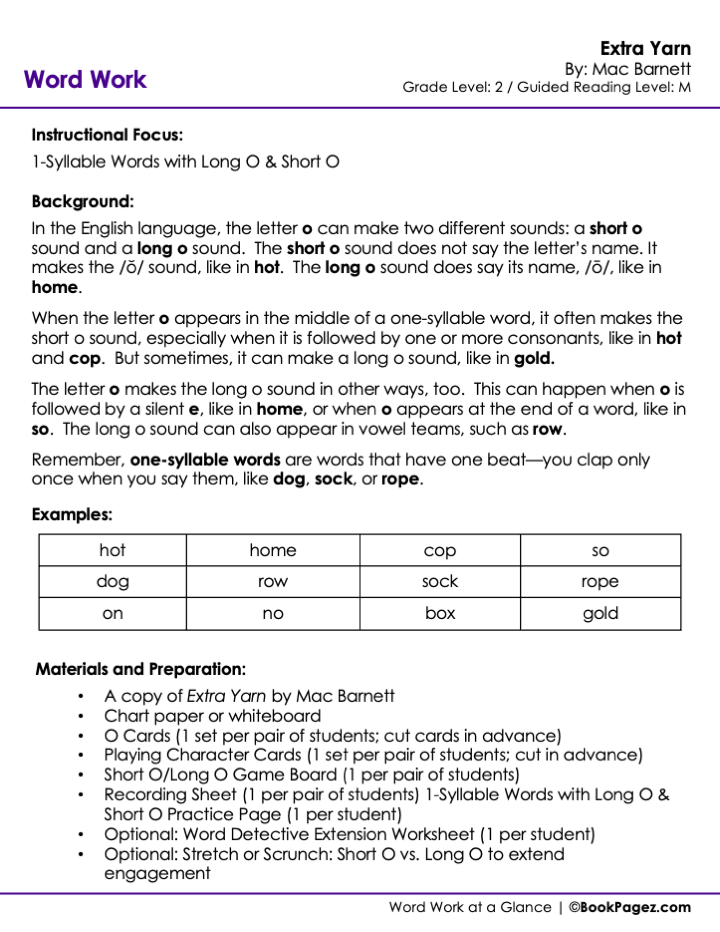
This word work lesson plan and set of teaching resources focuses on helping students hear, identify, and read one-syllable words with long O and short O sounds.
By anchoring instruction in clear sound-spelling patterns, students learn how the letter o can make different sounds depending on how it is used in a word. Through guided practice, students compare short O words like hot and cop with long O words such as home, so, and row, building stronger decoding and phonics skills.
This lesson supports early readers as they learn to recognize vowel sounds, read one-syllable words accurately, and apply phonics knowledge with confidence during reading and word work.
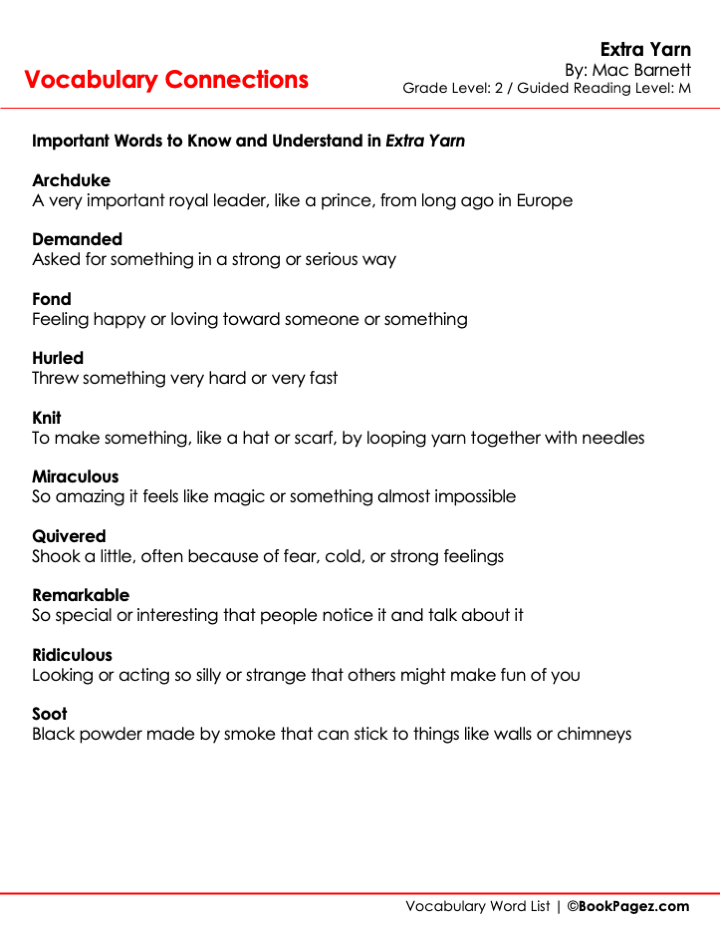
This set of vocabulary development resources for Extra Yarn highlights key words that are essential for students to understand while reading the story. Through engaging activities such as word games, word-to-definition and picture matching, and word categorization practice, students will build the vocabulary they need to comprehend this story—and many others—with confidence.

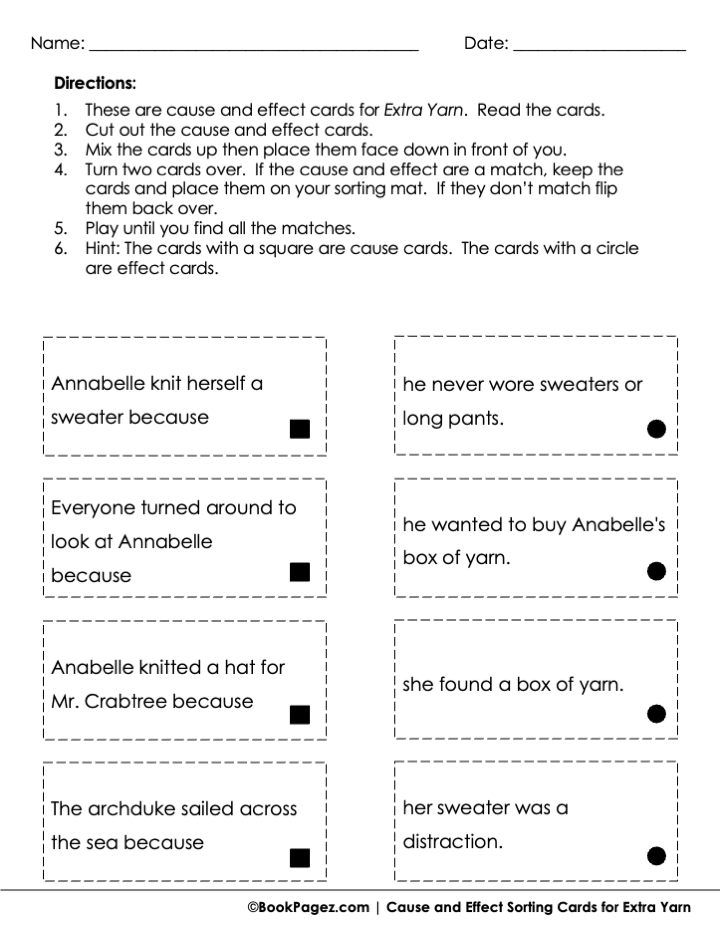
Read Extra Yarn then have some fun matching cause and effect sentences from the book. By using these cause and effect cards, students will demonstrate both their comprehension of the text and their understanding of cause and effect relationships in a hands-on and interactive way.
This resource includes matching/sorting cards and a sorting mat for four cause and effect sentences in Extra Yarn. Each cause card is marked with a square, and each effect card is marked with a circle, making it easy to support students who struggle with matching cause and effect relationships.
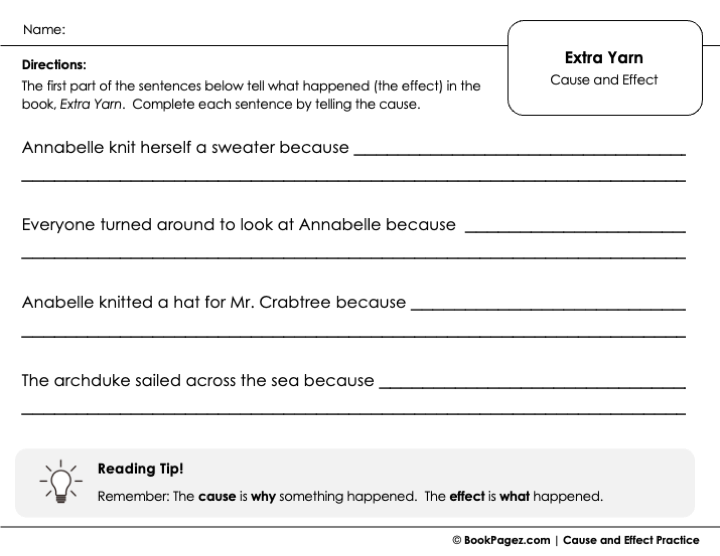
Understanding cause and effect is a key comprehension and language skill. The text structure of Extra Yarn includes several examples of cause and effect relationships, making it easy to use as a springboard for modeling or independent practice.
This simple resource includes four sentence stems. Each sentence stem presents an effect. Students will use what they know about the book to fill in the cause of the effect.
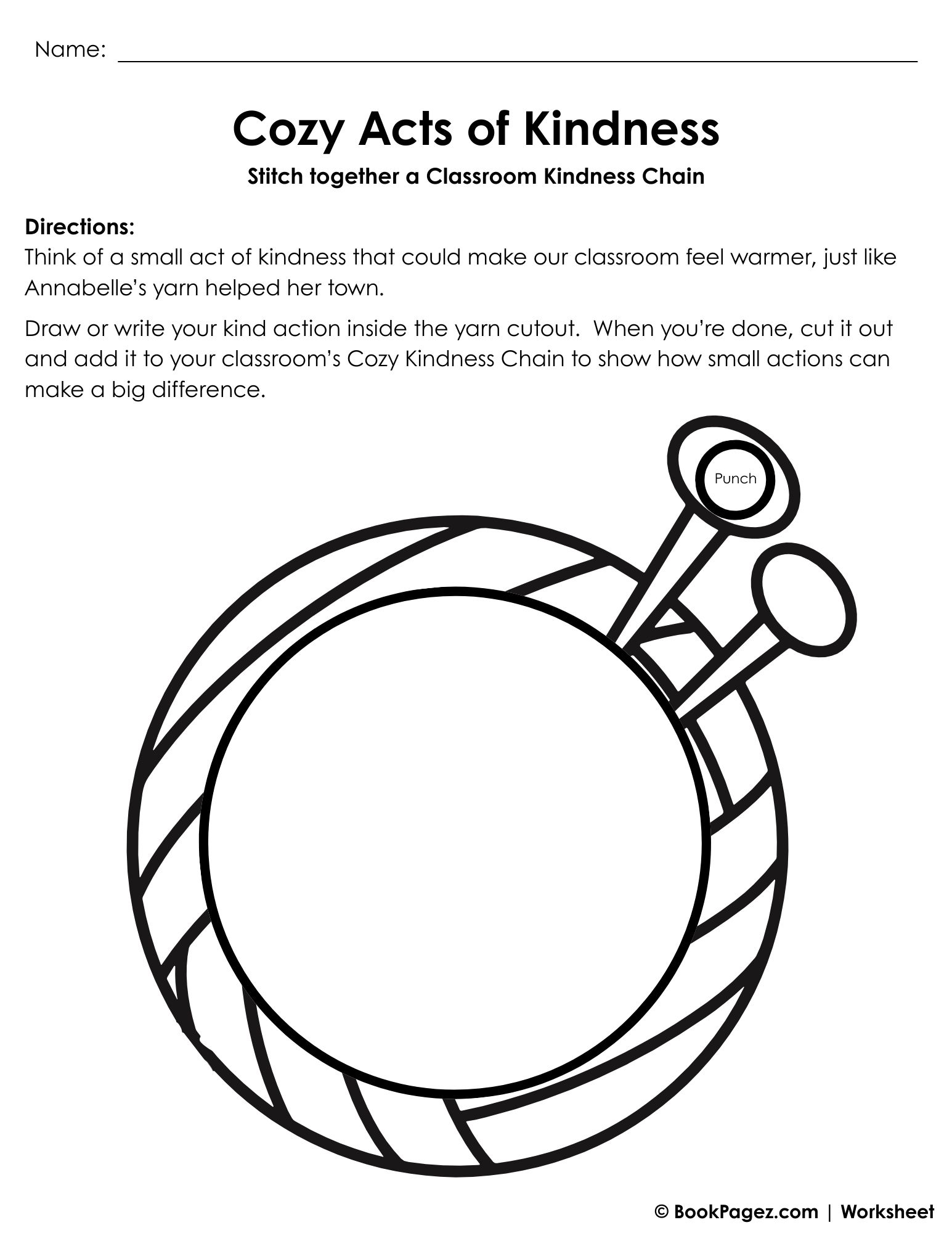
This creative response activity connects to Extra Yarn as students reflect on how small acts of kindness can make a big difference. After considering how Annabelle's yarn warmed her town, students think of a kind action that could make their classroom feel warmer. They draw or write their idea inside a yarn cutout and add it to a collaborative Cozy Kindness Chain, reinforcing theme, community building, and positive classroom culture.

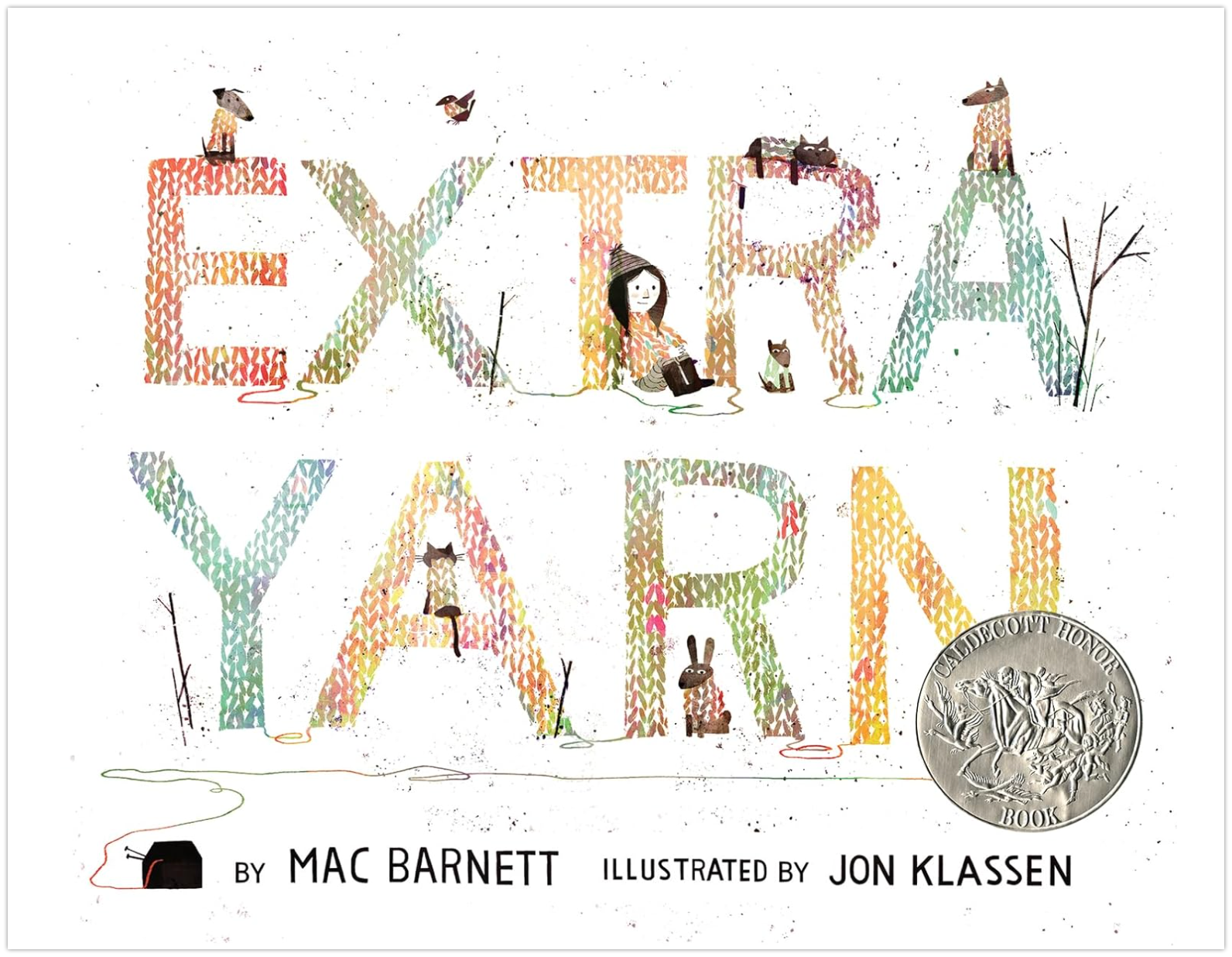
In Extra Yarn, young Annabelle discovers a magical box of colorful yarn in her dreary, snow-covered town, where everything feels gray and soot-stained. This simple find sparks her creativity, as she knits a vibrant sweater for herself and her loyal dog, only to find the yarn supply endlessly replenishing itself. What follows is a heartwarming tale of sharing and transformation, as Annabelle spreads joy by outfitting her classmates, teacher, neighbors, and even animals and buildings with her knitted wonders, turning the bleak landscape into a lively tapestry of color.
This enchanting picture book, illustrated by Jon Klassen, celebrates themes of generosity, kindness, and the power of creativity to brighten lives and unite a community. Annabelle's quiet determination shines as she responds to jealousy and doubt with thoughtful gifts, proving that small acts of giving can create big changes. Teachers will find it perfect for sparking discussions on empathy, goal-setting, and standing up to greed, while inspiring art projects like yarn crafts or community murals. Its subtle magic and rhythmic storytelling make it an ideal read-aloud for kindergarten through third grade, fostering conversations about motives, sharing, and finding wonder in everyday moments. With its Caldecott Honor recognition, Extra Yarn invites children to imagine how their own ingenuity could weave color into the world around them, making it a timeless addition to classroom libraries focused on social-emotional learning and creative expression.